Compound vs Couverture Chocolate: A Complete Guide for Bakeries
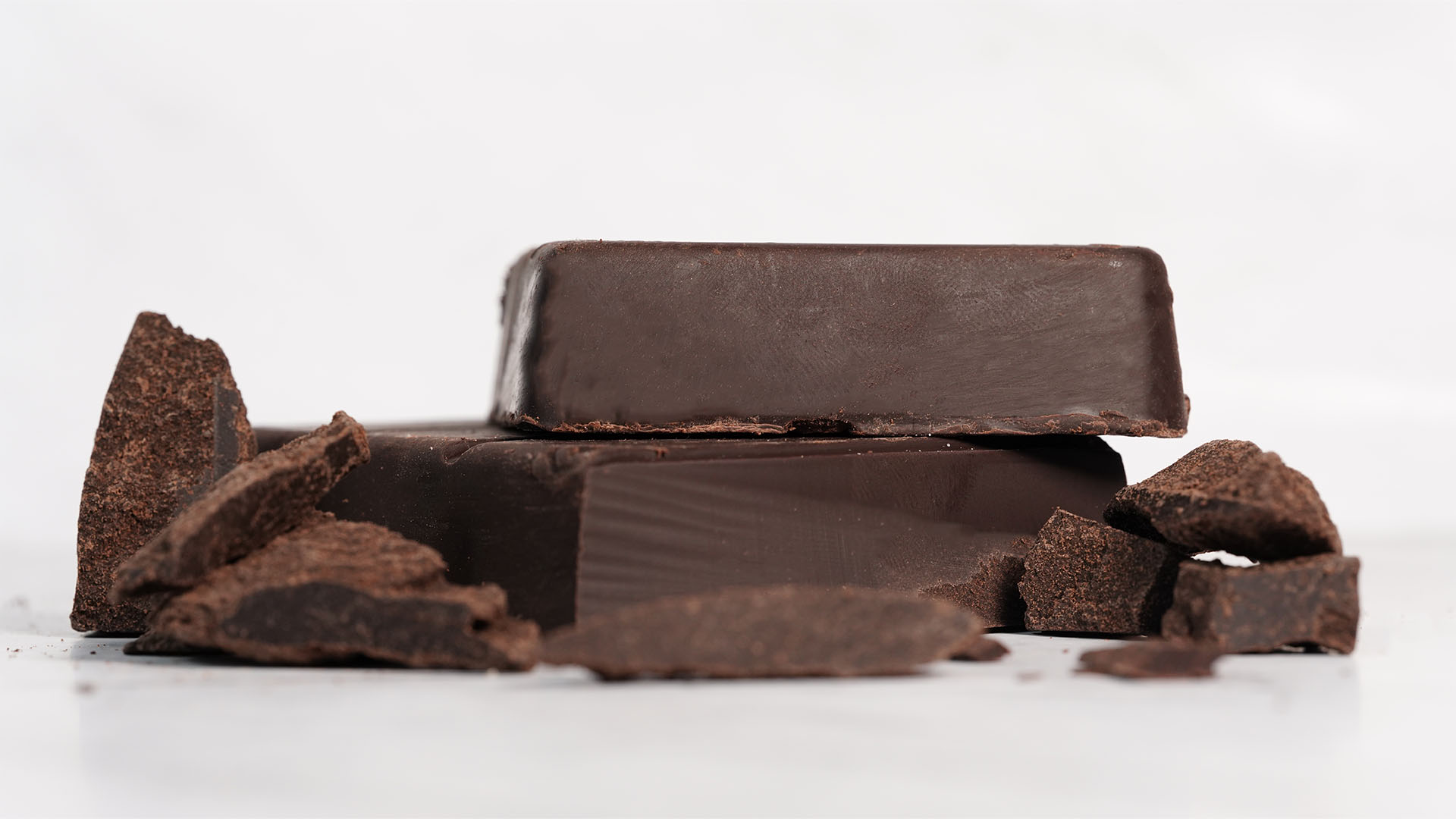
Compound chocolate uses vegetable fat instead of cocoa butter, so it does not require tempering, is more stable in tropical temperatures, and is easier to use for daily production. Couverture chocolate contains real cocoa butter, resulting in a more complex flavor and a superior glossy finish, but it requires precise tempering and is more sensitive to temperature.
One of the most frequently asked questions in the bakery industry is:
“Should I choose compound or couverture chocolate for my business?”
The answer is not as simple as choosing the cheaper or more premium option. Each type of chocolate is designed for different needs, and choosing the wrong one can directly affect product quality, production efficiency, and business profitability.
This article covers the complete differences between compound and couverture chocolate in terms of ingredients, application techniques, stability, price, and when each type is most suitable—especially for bakeries in Indonesia.
What Is Compound Chocolate?
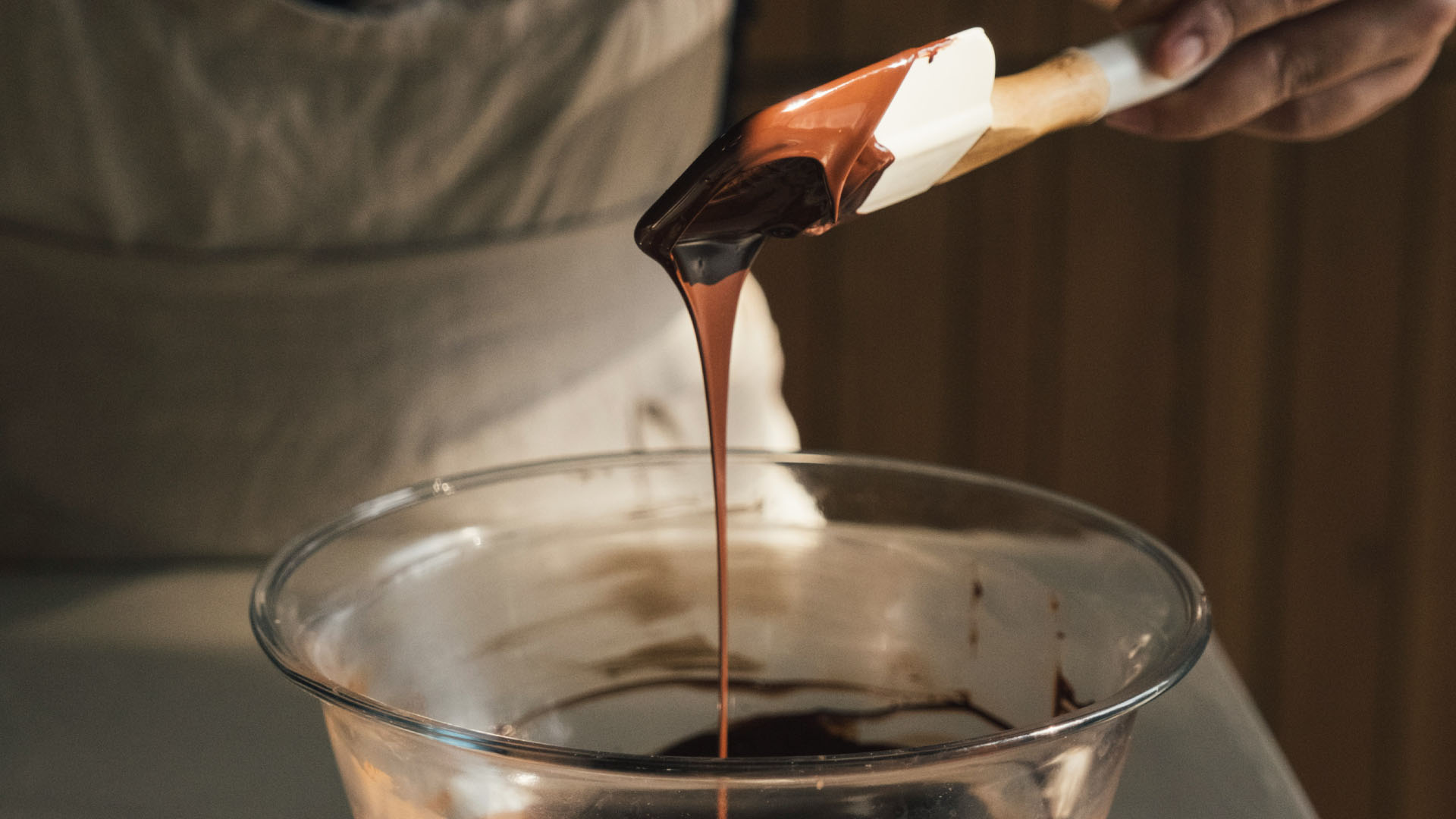
Compound chocolate is a type of chocolate that replaces cocoa butter with vegetable fats, typically palm kernel oil (PKO) or coconut oil. This does not mean that its quality is inferior. High-quality vegetable fats actually give compound chocolate several advantages:
- More stable against temperature changes and less likely to melt in tropical temperatures
- Does not require a complicated tempering process
- Easier to apply for mass production
- More affordable and consistent in price
This is why compound chocolate is widely used by SME bakeries, hotel chains, and large-scale donut manufacturers in Indonesia.
- Cipta Products: Chockely Premium and Chocc 168 Batang are compound chocolates specially formulated for coating, ganache, and bakery decoration applications—no tempering required. Simply melt and use.*
What Is Couverture Chocolate?
Couverture chocolate contains real cocoa butter at a higher level—typically at least 31%. This cocoa butter content gives couverture chocolate several advantages:
- A more complex, rich, and “premium” chocolate flavor
- A smoother meltaway texture
- A highly glossy finish when properly tempered
- Ideal for artisan products that prioritize sophisticated flavor profiles
However, these advantages come with significant technical requirements. Couverture chocolate must go through a tempering process—a controlled heating and cooling technique that crystallizes the cocoa butter to achieve a stable and glossy finish.
Complete Comparison: Compound vs Couverture
Aspect | Compound Chocolate | Couverture Chocolate |
Main Ingredient | Vegetable fats (palm kernel oil, coconut oil) | Real cocoa butter |
Tempering | Not required | Required (27°C → 31°C → 28°C) |
Temperature Stability | Resistant to tropical temperatures (25–30°C) | Highly sensitive and prone to bloom |
Chocolate Flavor | Good for mass production | More complex and premium |
Final Finish / Gloss | Good and stable | Highly glossy when properly tempered |
Ease of Application | Easy, suitable for beginners | Requires skill and a thermometer |
Price | More affordable | More expensive |
Best For | Donut coating, SME bakeries, daily production | Artisan chocolate, fine dining, pralines |
Cipta Product Examples | Chockely Premium, Chocc 168 Batang | — |
What Is Tempering and Why Does Couverture Chocolate Need It?
Tempering is the process of gradually controlling chocolate temperature to ensure that cocoa butter crystallizes into a stable form (Beta V). Without proper tempering, couverture chocolate may:
- Look dull and lack shine
- Develop a whitish layer on the surface (fat bloom)
- Have a brittle texture instead of a crisp one
Proper tempering involves three temperature stages: melting the chocolate to 45–50°C, cooling it to 27°C, then raising it again to 31–32°C for dark chocolate. This process requires a thermometer and consistent experience.
For compound chocolate, there are no cocoa butter crystals that need to be controlled. Simply melt it using a double boiler or microwave in stages, and the chocolate is ready to use.
If you are not familiar with tempering techniques or do not have temperature-controlled facilities, compound chocolate is a much safer and more consistent choice for daily production.
When Should You Choose Compound vs Couverture?
Choose Compound Chocolate If:
- You run an SME bakery or high-volume daily production
- Your production kitchen is not air-conditioned or has inconsistent temperatures
- Your target market is general consumers who prioritize appearance and consistency
- You make donut coatings, brownie toppings, dessert boxes, or pastry decorations
- You want cost efficiency without compromising visual quality
Choose Couverture Chocolate If:
- You make pralines, bonbons, or premium artisan chocolate bars
- Your target market includes fine-dining customers, five-star hotels, or artisan cafés
- You or your team have consistent tempering skills
- Your production area has controlled temperature and humidity
- Your selling price is high enough to cover the higher ingredient costs
💡 Practical Advice for Indonesian Bakeries
For most bakeries in Indonesia—especially those operating without air conditioning or producing dozens to hundreds of products per day—compound chocolate is a more realistic and profitable choice.
This does not mean compromising on quality. High-quality compound chocolate such as Chockely Premium can deliver an excellent glossy finish with a much simpler process.
Can You Mix Compound and Couverture Chocolate?
Technically, yes, but it is not recommended. Mixing the two can interfere with the tempering process of couverture because the vegetable fats in compound chocolate interact with cocoa butter. The result may be unstable and reduce the advantages of each type.
If your goal is to enhance the chocolate flavor of a compound-based product, a better approach is to add high-quality cocoa powder or use a compound chocolate with a higher cocoa content.
Common Myths About Compound vs Couverture
Myth 1: “Couverture Is Always Better-Tasting Than Compound”
Not necessarily. The final flavor of a product is influenced by many factors, including the quality of additional ingredients, production techniques, and suitability for the application.
Premium compound chocolate can provide an excellent flavor profile for coating and decoration applications.
Myth 2: “Compound Chocolate Cannot Be Glossy”
False. Good-quality compound chocolate can produce an attractive glossy finish without tempering, especially when melted correctly and applied at the right temperature.
Myth 3: “Couverture Is Always More Expensive, So It Must Be More Premium”
A higher price does not automatically mean it is more suitable for every application.
Couverture that is not handled properly can actually produce lower-quality results than compound chocolate that is applied using the correct technique.
Recommended Compound Chocolate Products for Bakeries
Cipta Food provides two main compound chocolate options widely used by bakeries, SMEs, and food manufacturers across Indonesia:
- Chockely Premium: A high-cocoa-content compound chocolate suitable for ganache, premium coating, and cake decoration. It produces a rich dark chocolate color and deep chocolate flavor.
- Chocc 168 Batang: A compound chocolate with a sweet chocolate flavor preferred by a broad consumer market, ideal for daily donut coating, toppings, and standard bakery applications.
Both products are available in B2B packaging, are MUI Halal certified, ISO 9001 certified, and registered with BPOM—ready for direct production use without tempering.
FAQ: Compound vs Couverture Chocolate
Which is better for glossy donut coating, compound or couverture?
Compound chocolate is the more practical choice for donut coating because it does not require tempering and is more stable at room temperature. It can produce a highly glossy finish when the melting and application techniques are correct.
Can compound chocolate be used to make pralines?
Yes, but the result will be different from couverture. Pralines made with compound chocolate have a slightly different texture and do not melt as smoothly as couverture. However, for the general market and mass production, the results can still be very satisfying.
What is the difference in flavor between compound and couverture chocolate?
Couverture generally has a more complex flavor profile due to its real cocoa butter content. Compound chocolate has a simpler but more consistent chocolate flavor—which is exactly what many general consumers prefer.
How much does compound chocolate cost compared with couverture per kg?
Compound chocolate is generally available at a more affordable price range than couverture. For wholesale pricing and MOQ information for Chockely or Chocc 168, contact the Cipta Food team via WhatsApp at +6281779041515 or visit ciptafood.com/id/products.
Is compound chocolate suitable for cakes and cookies?
Absolutely. Compound chocolate can be used as a topping, liquid filling, drip, or ingredient mixed into the batter. Its stability at high temperatures makes it a safe choice for baked products.
Want to Consult About Chocolate Products for Your Bakery?
The Dapur Cipta team is ready to help you choose the compound chocolate that best fits your production needs—from production volume and application to your target selling price.
Chat directly: wa.me/6281779041515 | Catalog: ciptafood.com/en/products
Other Article
01 Sep
Burnt Cheesecake, a Creamy, Rustic, and a Global Dessert Trend
Read More
11 Sep
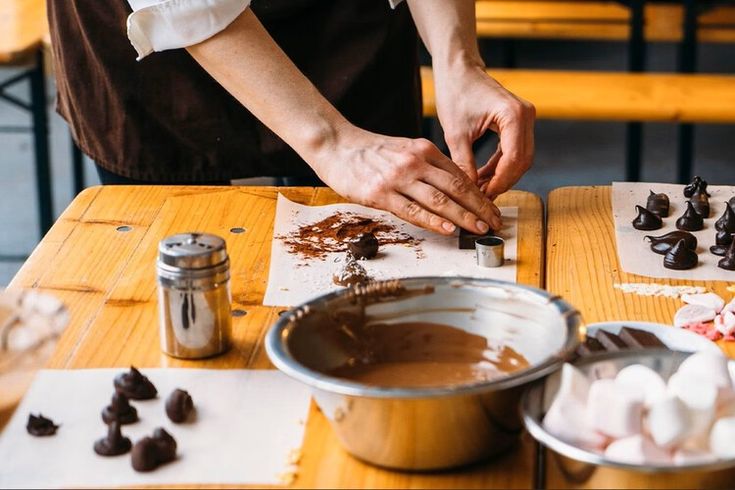
Chocolate Compound is Becoming the Preferred Choice for Professional Bakers
Read More
11 Sep
Plant-Based Trends in Modern Baking for a Healthy Lifestyle
Read More
31 Oct
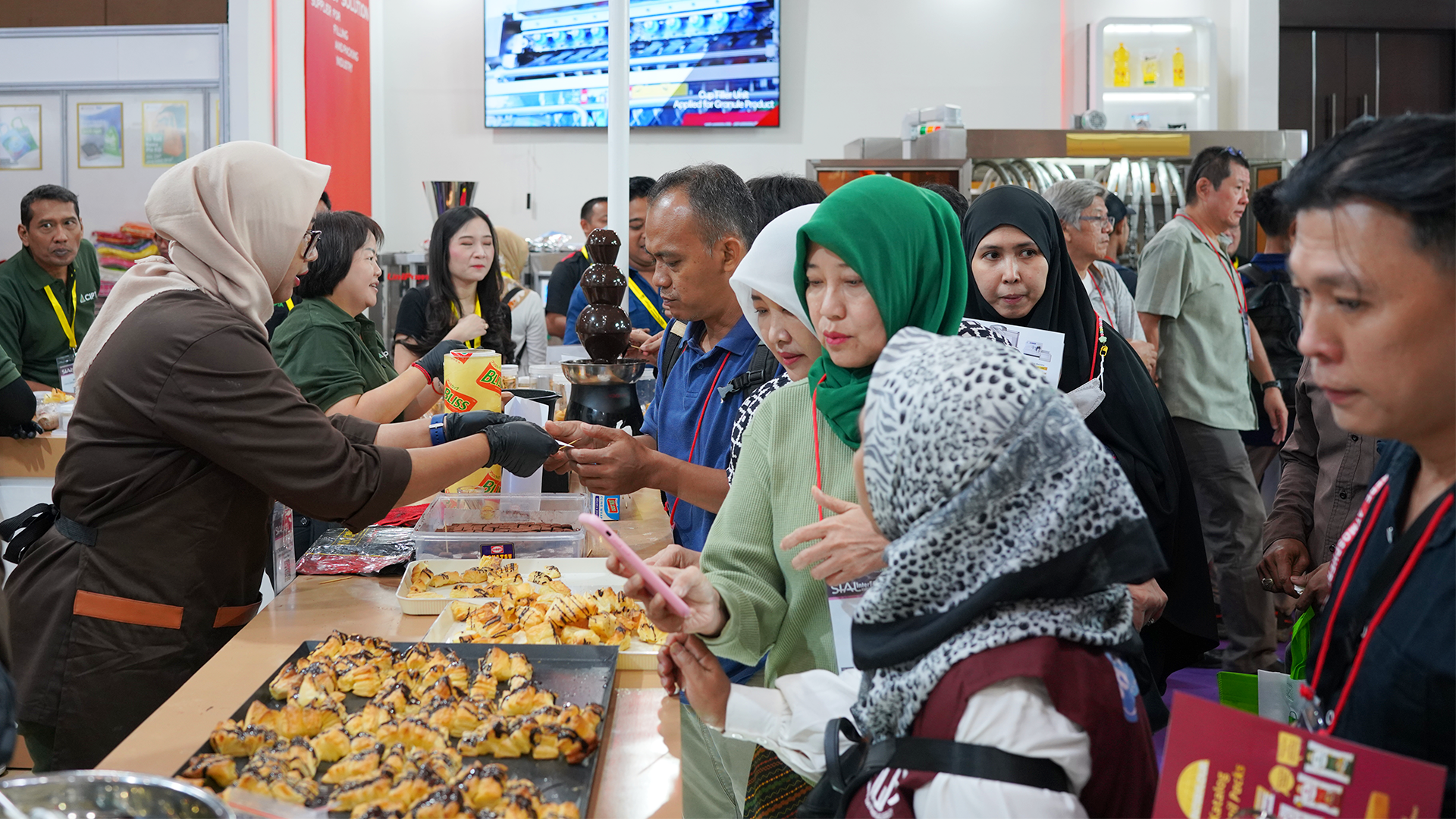
PT Cipta Returns to Interfood 2025 | Live Baking Demo, Expert Consultation & Special Prizes
Read More

07 Nov
Win Exciting Prizes at PT Cipta’s Photobooth – Interfood 2025
Read More
24 Nov
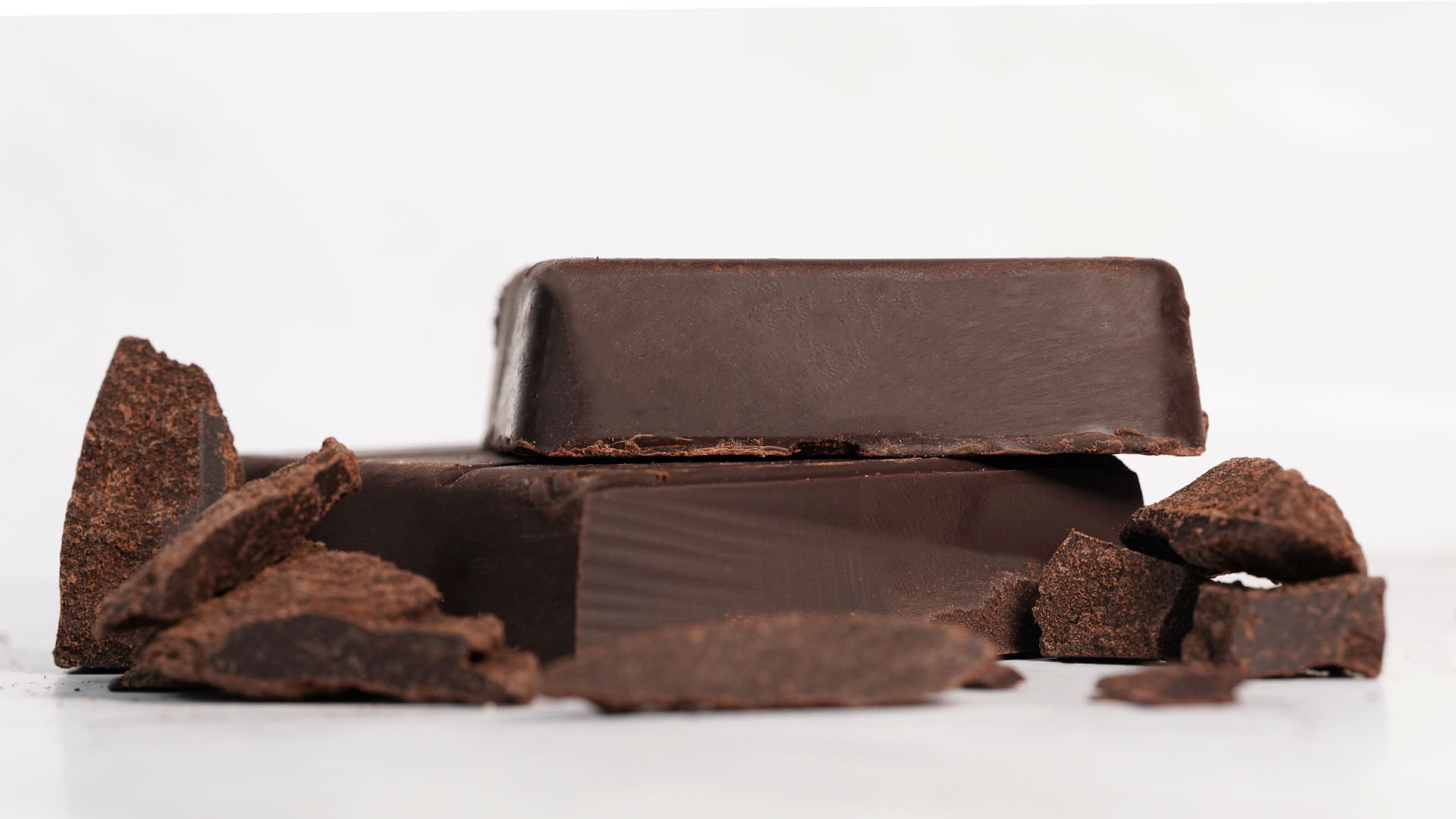
Halal Chocolate Compound for Bakery: Your Complete Guide to Choosing a Trusted Supplier
Read More

28 Nov
PT Cipta Christmas Cake Creation Contest 2025 – Win Exclusive Hampers
Read More
20 Jan
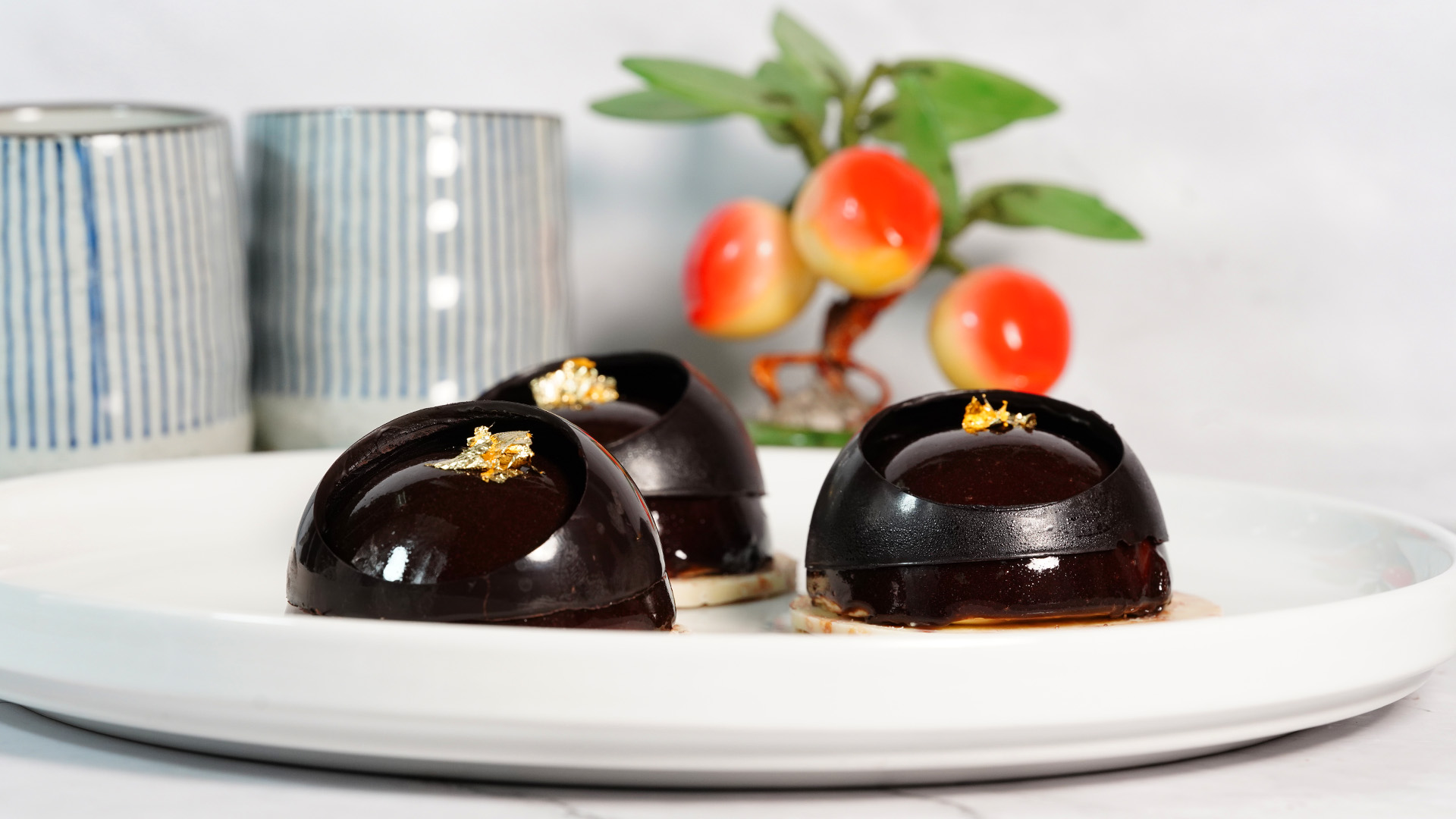
Want a Glossy Chocolate Coating? 10 Tips for Choosing the Best Chocolate for Your Bakery Business
Read More
26 Jan
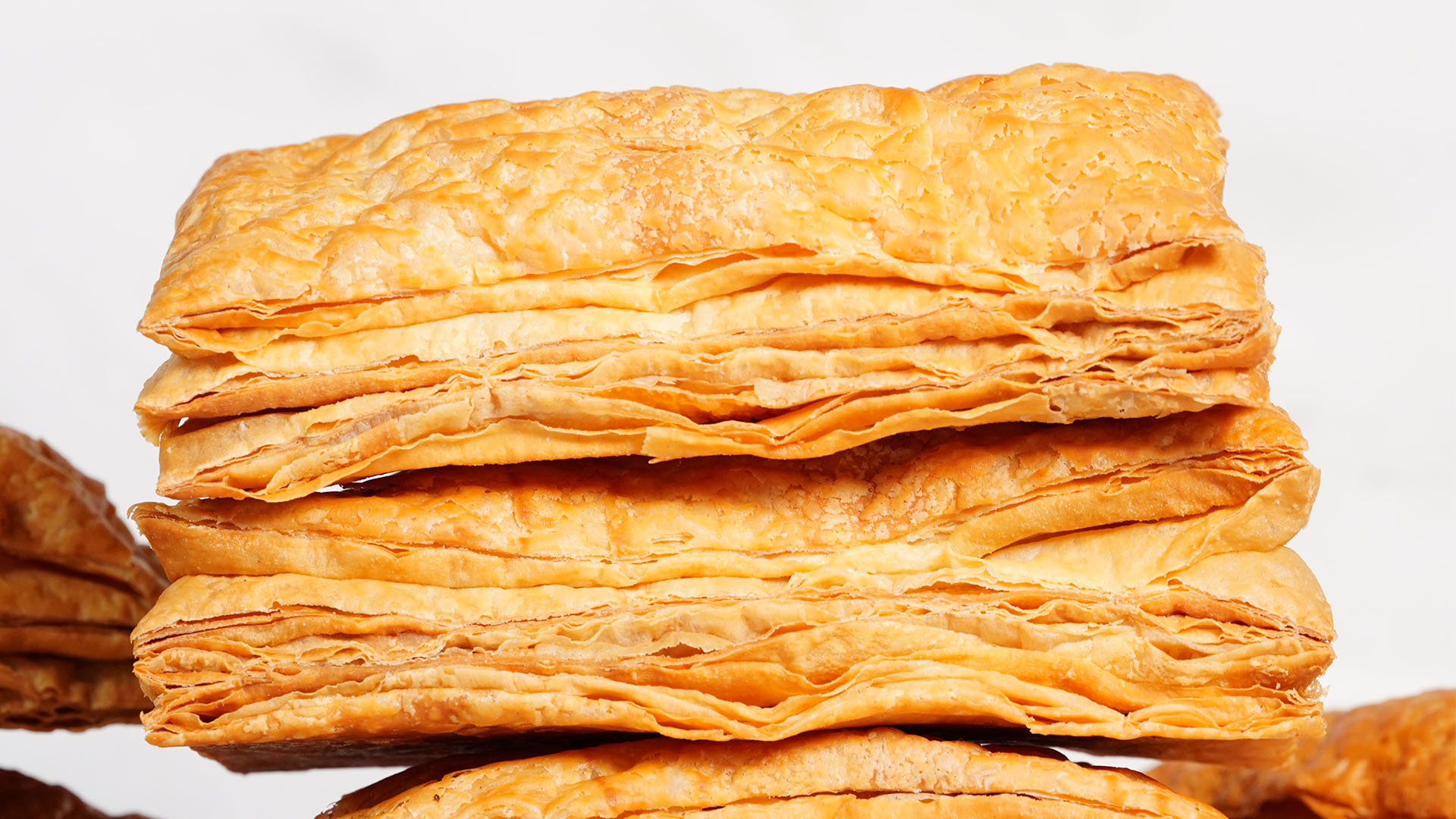
Frozen Puff Pastry for Bakery | Trusted Halal Supplier in Indonesia
Read More
29 Jan
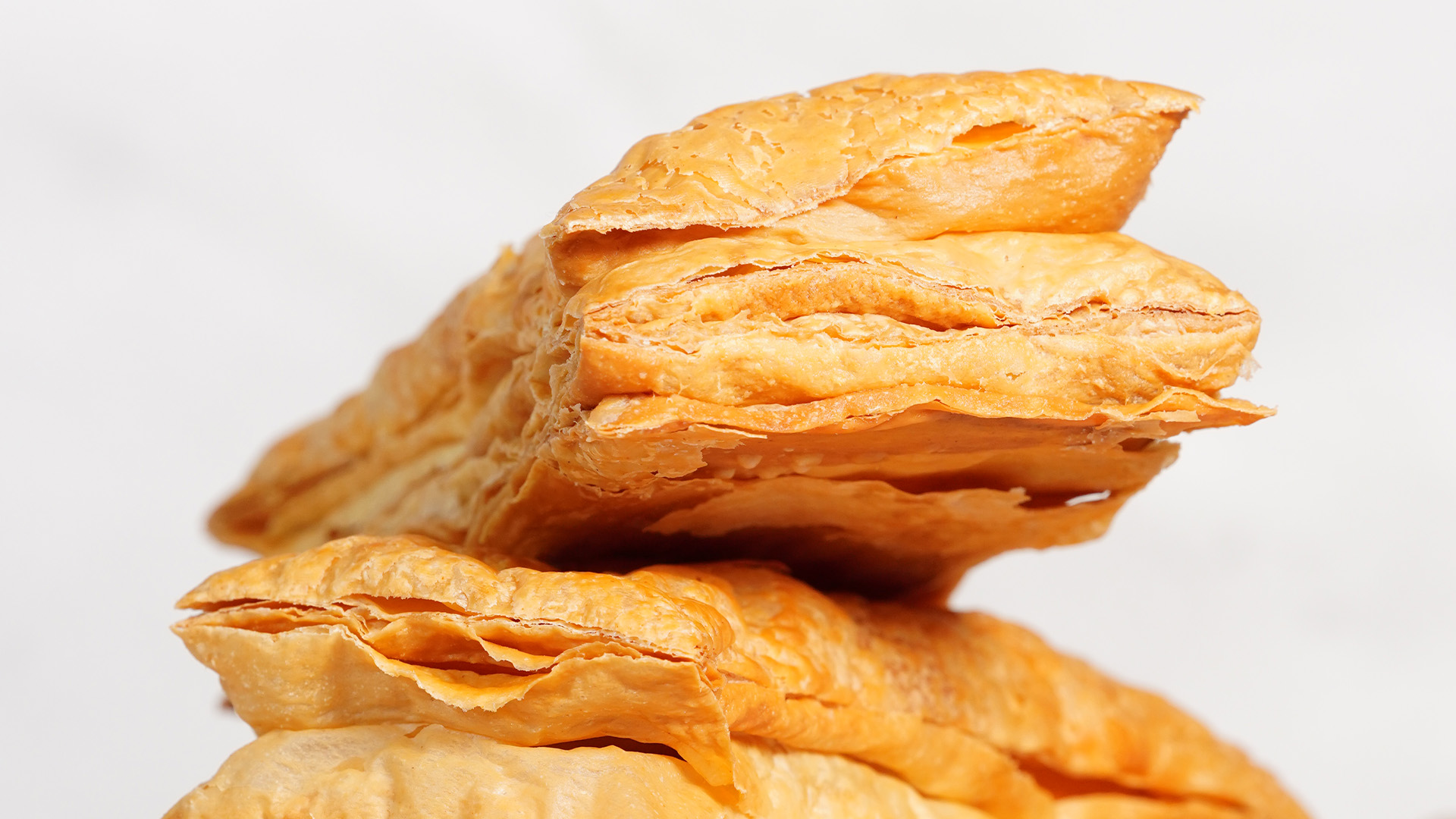
Frozen Puff Pastry Price Guide and Profit Analysis for Businesses
Read More
30 Jan
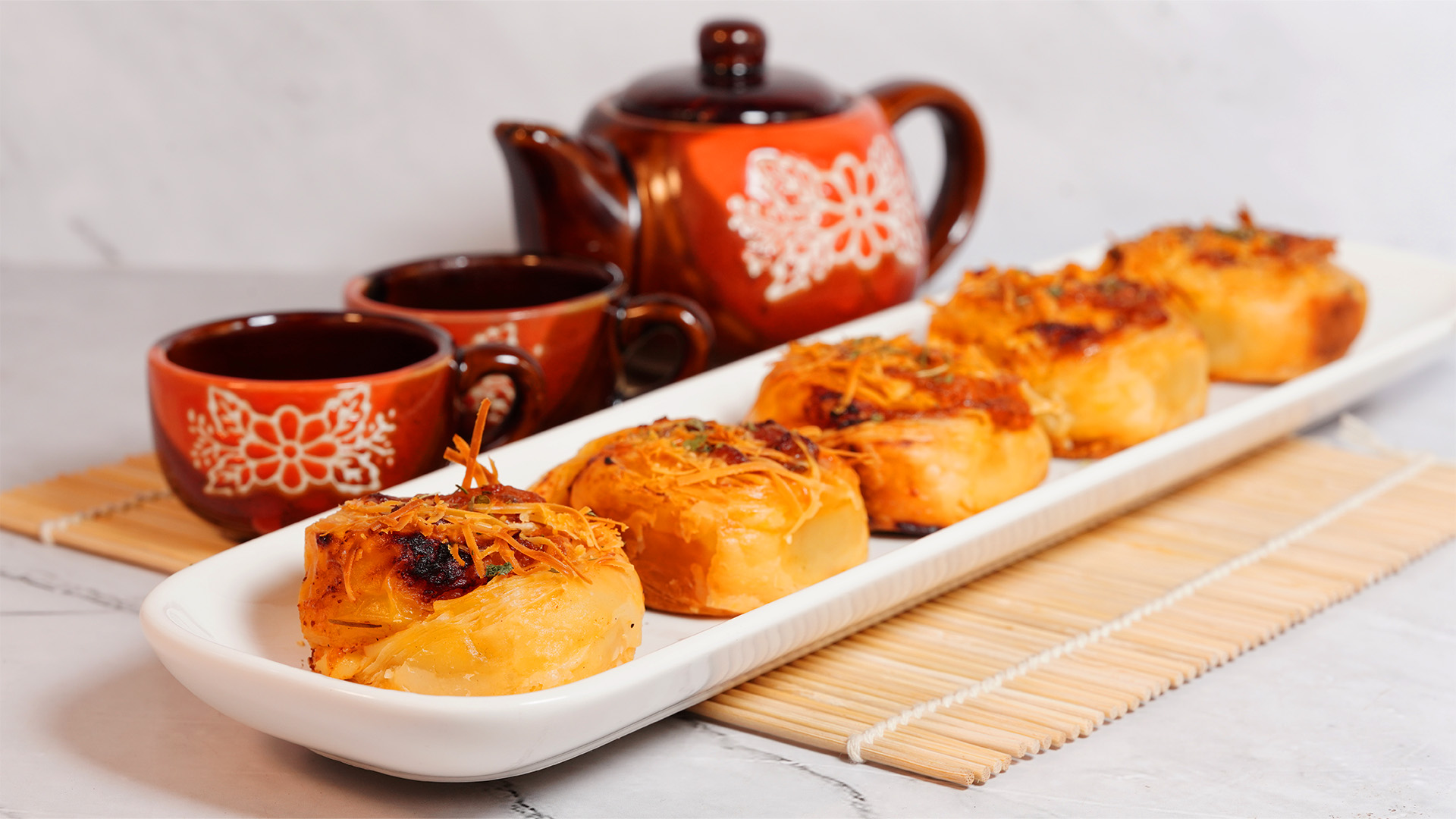
10 Frozen Puff Pastry Recipes for Selling: Practical, Best-Selling & Highly Profitable
Read More
09 Feb
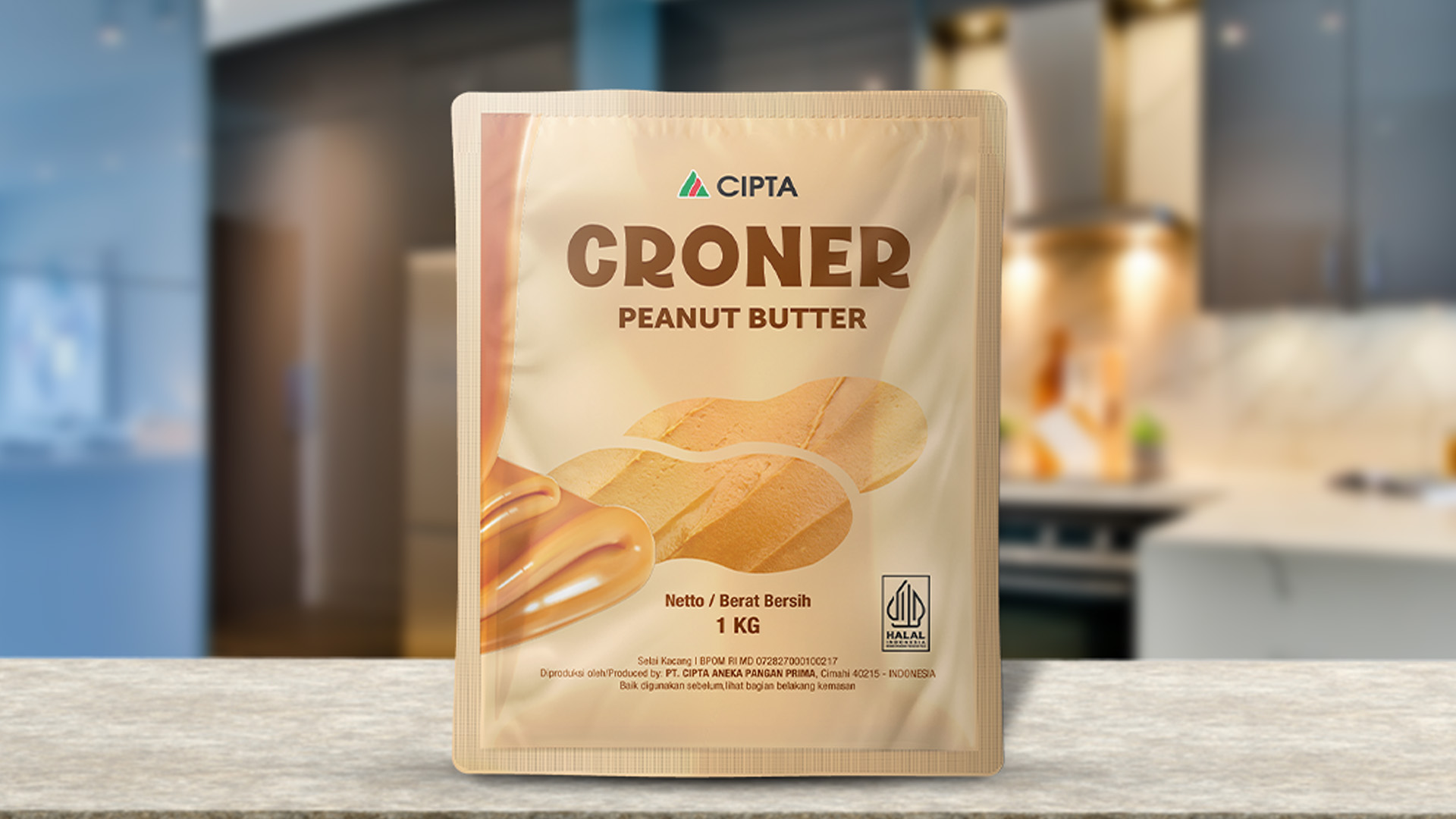
5 Resep Selai Kacang untuk Jualan Modal Kecil Untung Besar (Lengkap HPP & Margin)
Read More
13 Feb
Contoh Menu MBG Lengkap dengan HPP dan Analisa Nilai Gizi (Siap untuk UMKM & Catering)
Read More

27 Feb
Cara Hitung HPP Makanan Rumahan + Contoh Menu MBG
Read More

27 Feb
Lomba Kreasi Kue Idul Fitri 2026 PT Cipta: Menangkan Baking Tools!
Read More
06 Mar
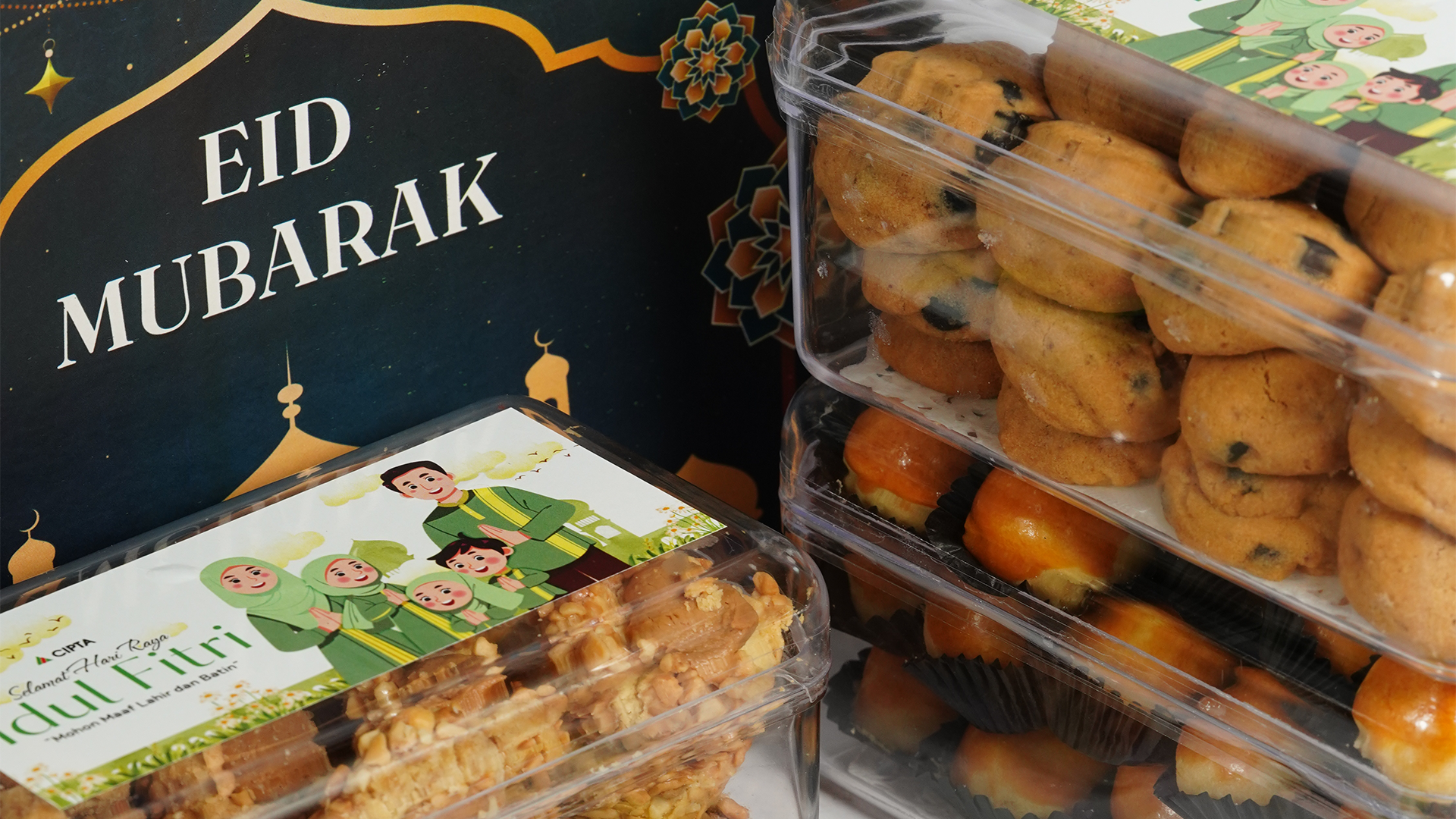
Peluang Usaha Ramadan 2026: 10 Menu Margin Tinggi Lengkap HPP
Read More
13 Mar
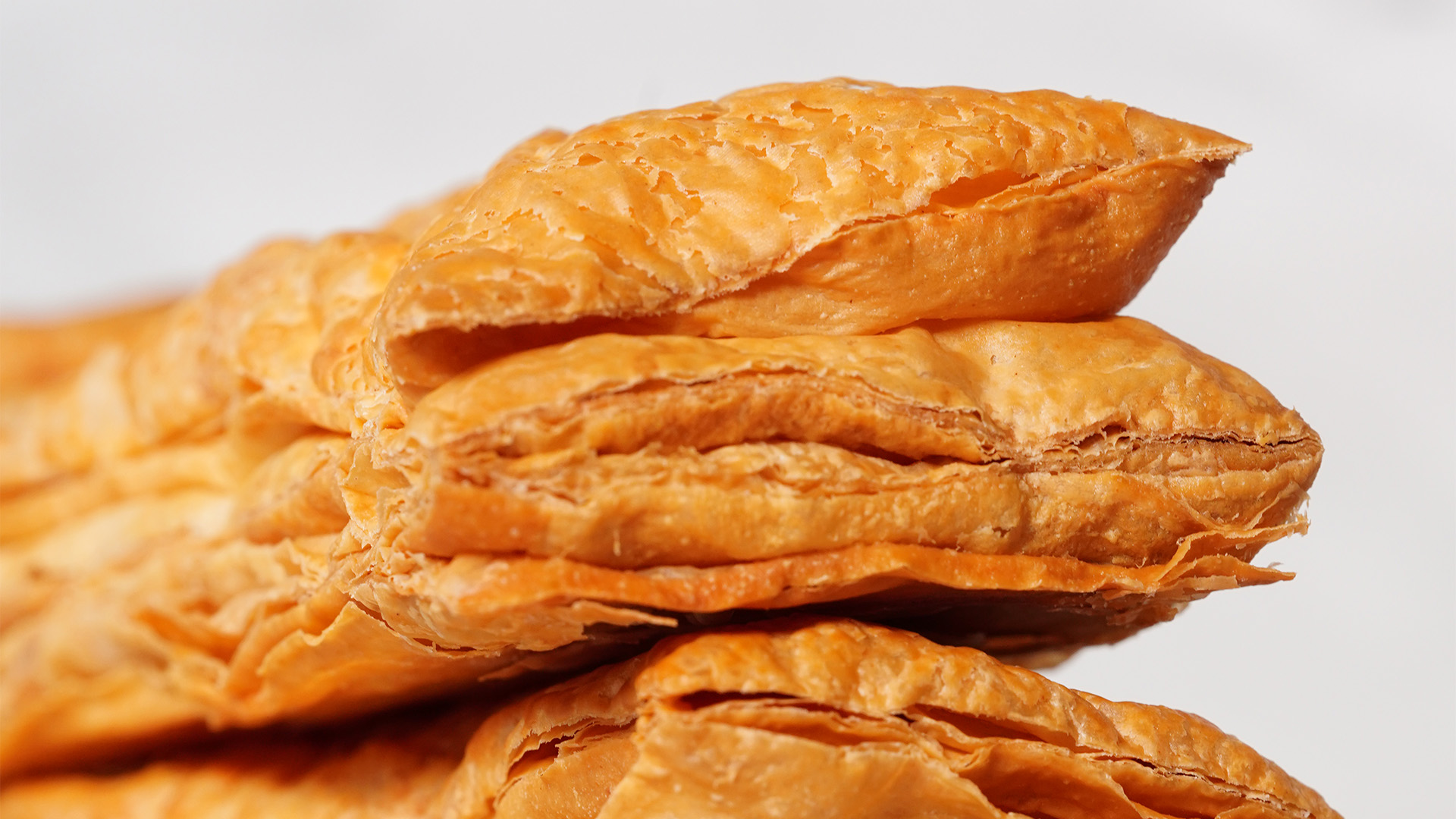
Ide Puff Pastry untuk Jualan Margin 50%+ (Lengkap HPP & Analisa Gizi)
Read More
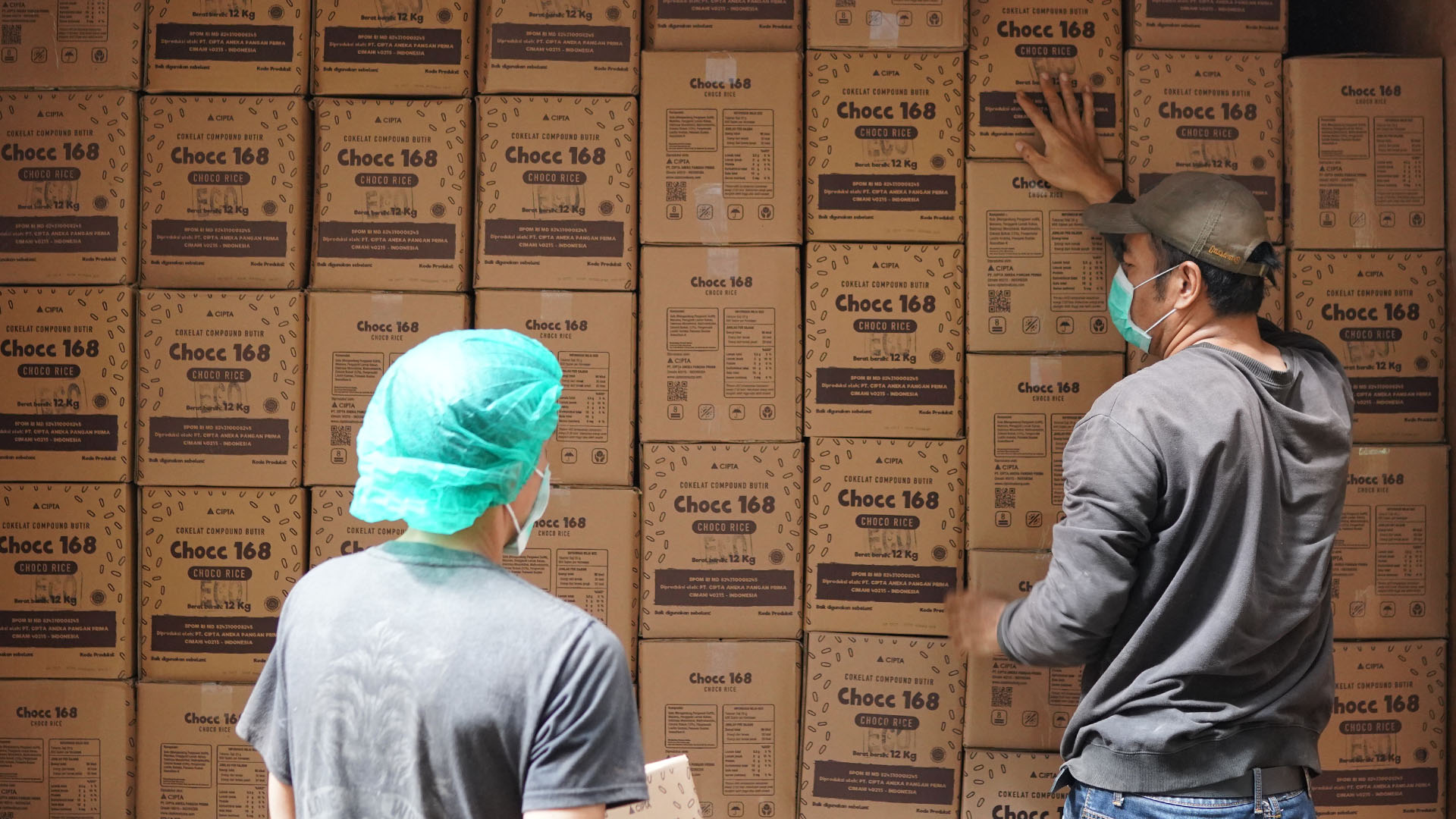
28 Mar
Strategi Distributor Bahan Baku: Contoh Aplikasi Produk dengan Margin Tinggi untuk Mitra UMKM
Read More
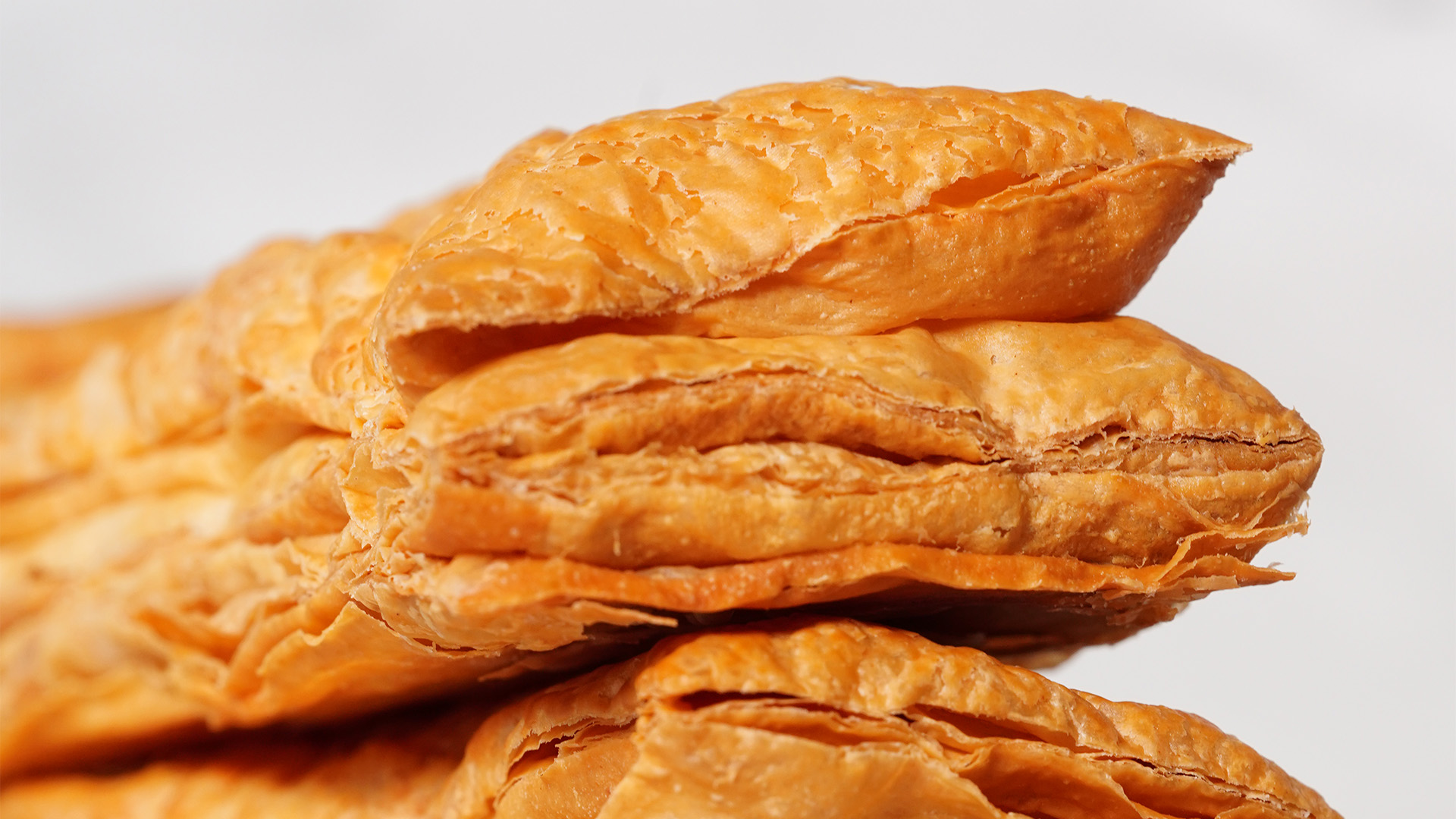
03 Apr
Peluang Usaha Makanan Margin 50%+ (Lengkap Contoh HPP & Strategi Harga Jual)
Read More

10 Apr
Berapa Lama Melelehkan Cokelat Compound? Ini Hasil Tes 30 Detik vs 5 Menit
Read More
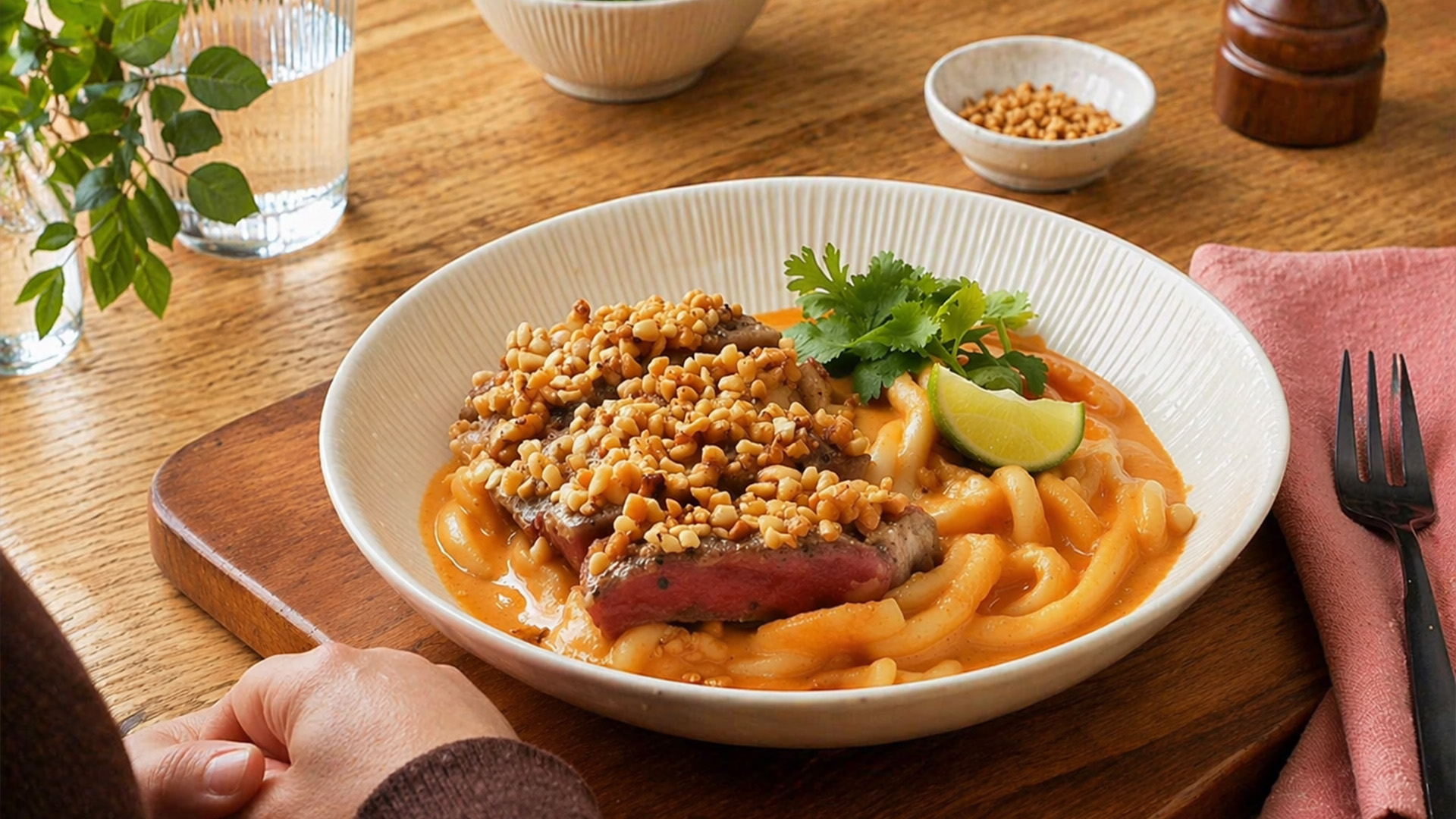
17 Apr
Spicy Peanut Gochujang Udon: Viral Creamy, Nutty & Spicy Recipe You’ll Crave
Read More

24 Apr
Sample School MBG Menu for Tender (Complete with Costing & Nutritional Analysis)
Read More
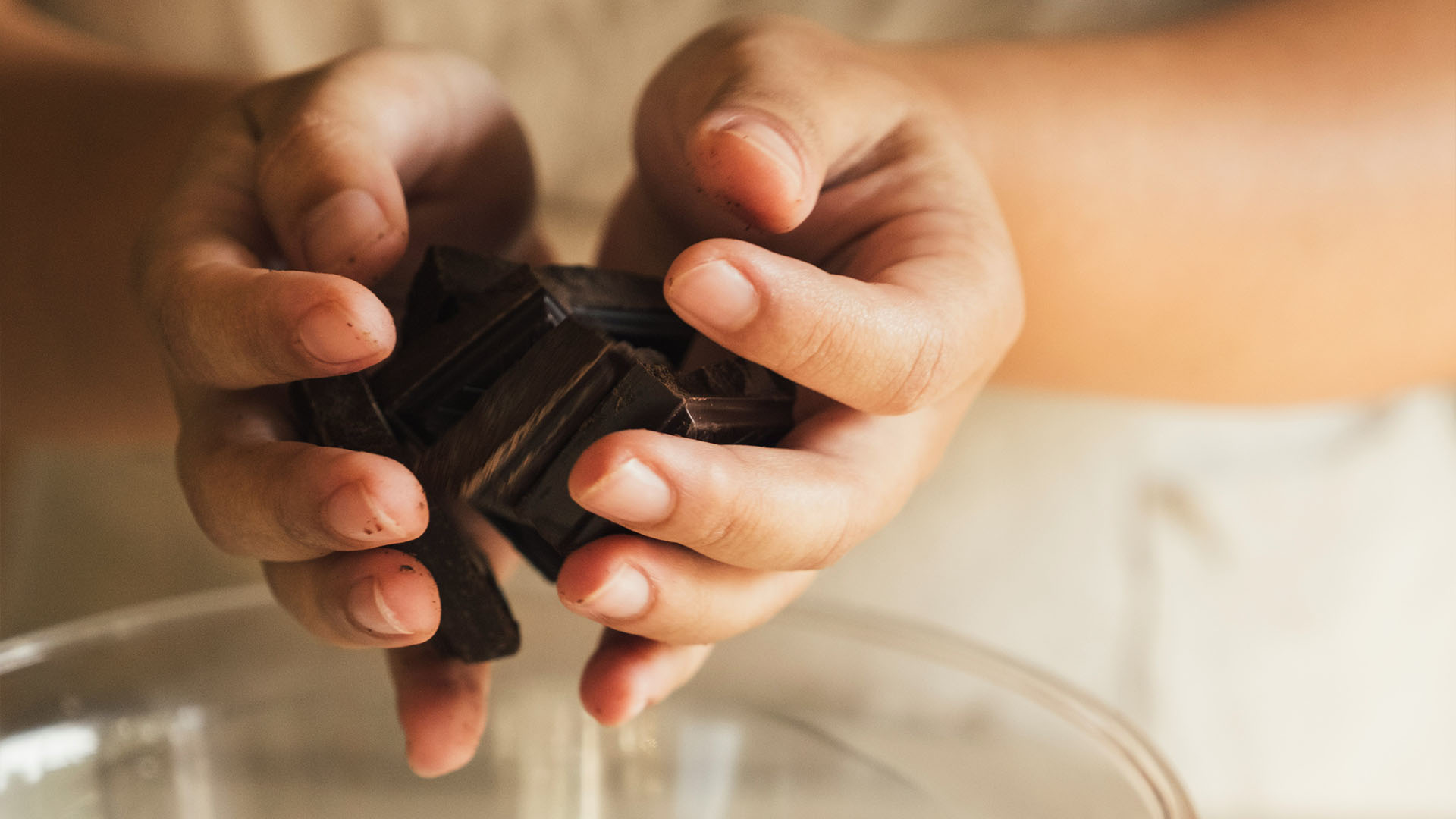
08 May
Complete Guide to Compound Chocolate for Bakery & Dessert
Read More
22 May
How to Melt Compound Chocolate Properly for Bakery & Dessert
Read More
22 May
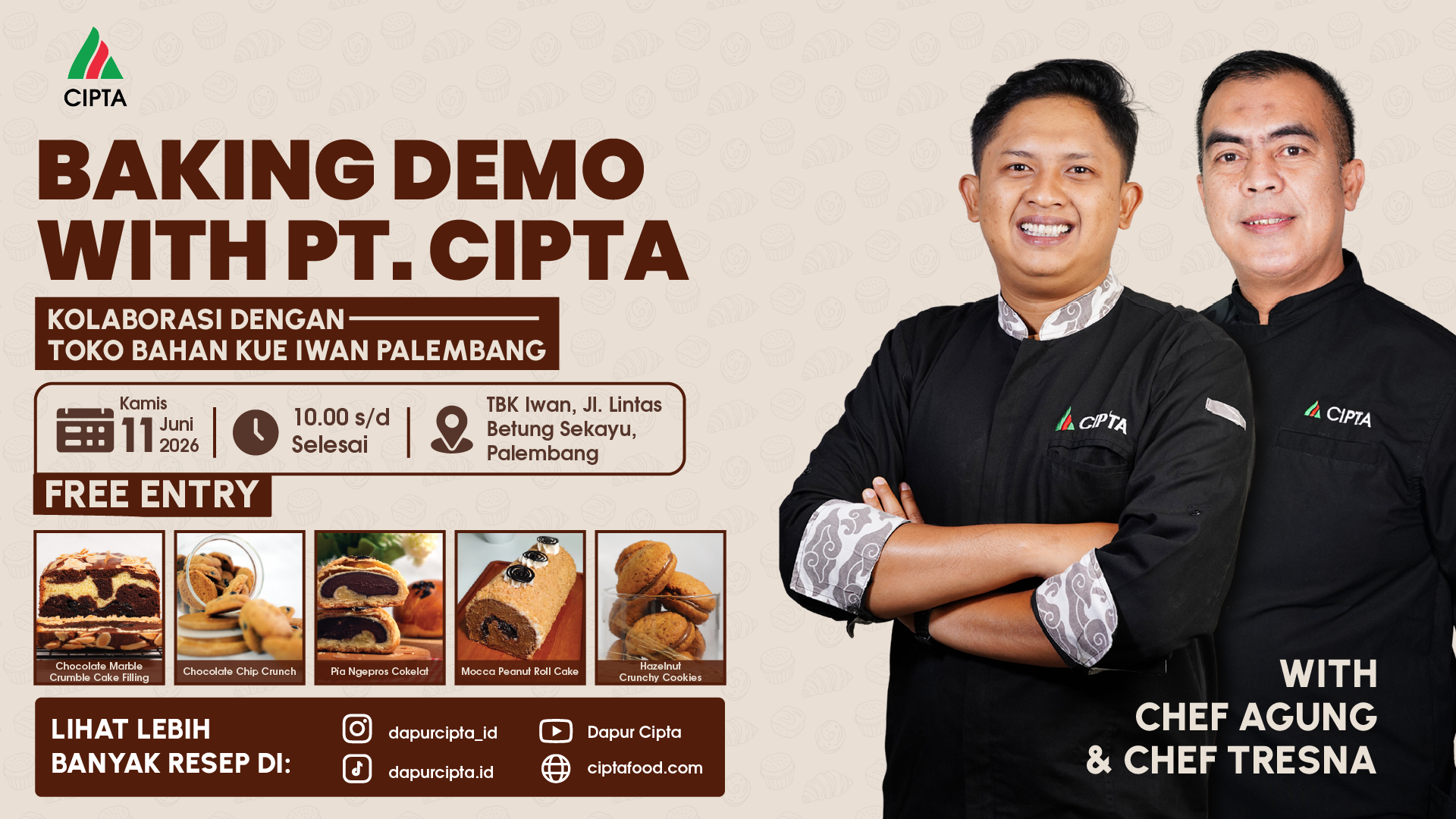
Baking Demo PT Cipta & TBK Iwan Palembang (Kamis, 11 Juni 2026)
Read More
22 May
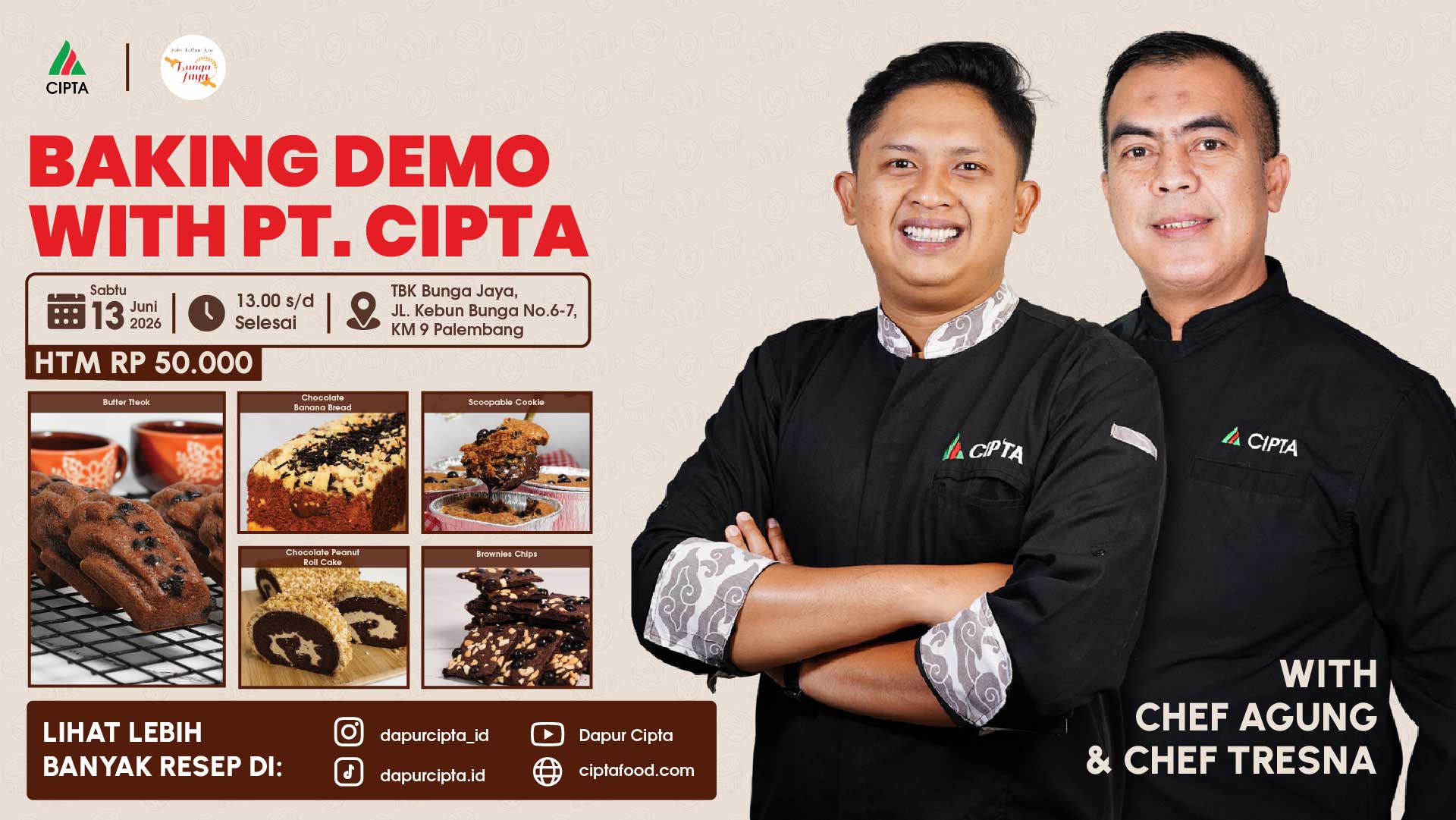
Baking Demo PT Cipta & TBK Bunga Jaya Palembang (Sabtu, 13 Juni 2026)
Read More
02 Jun
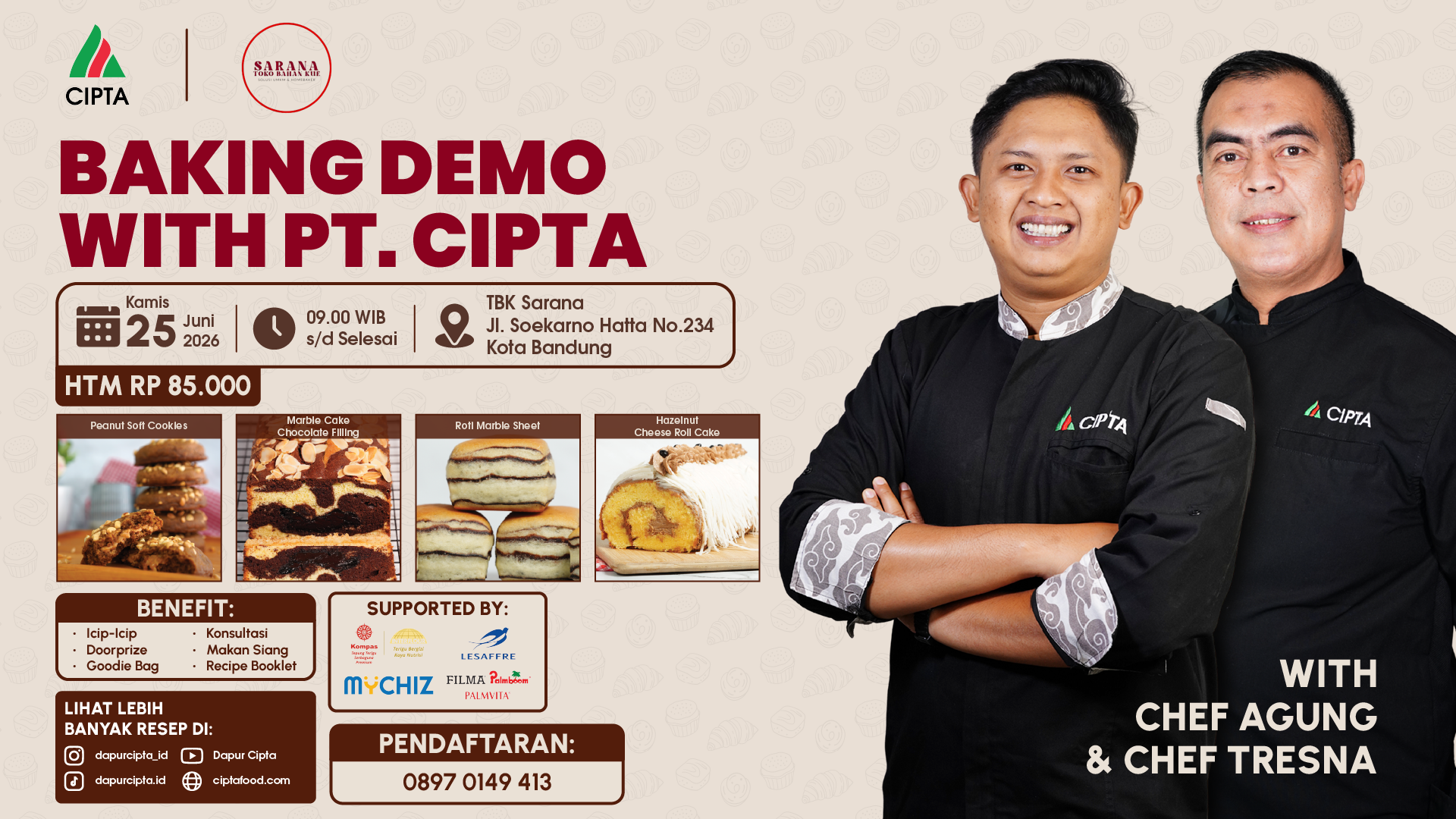
Baking Demo PT Cipta & TBK Sarana Bandung (Kamis, 25 Juni 2026)
Read More
03 Jun
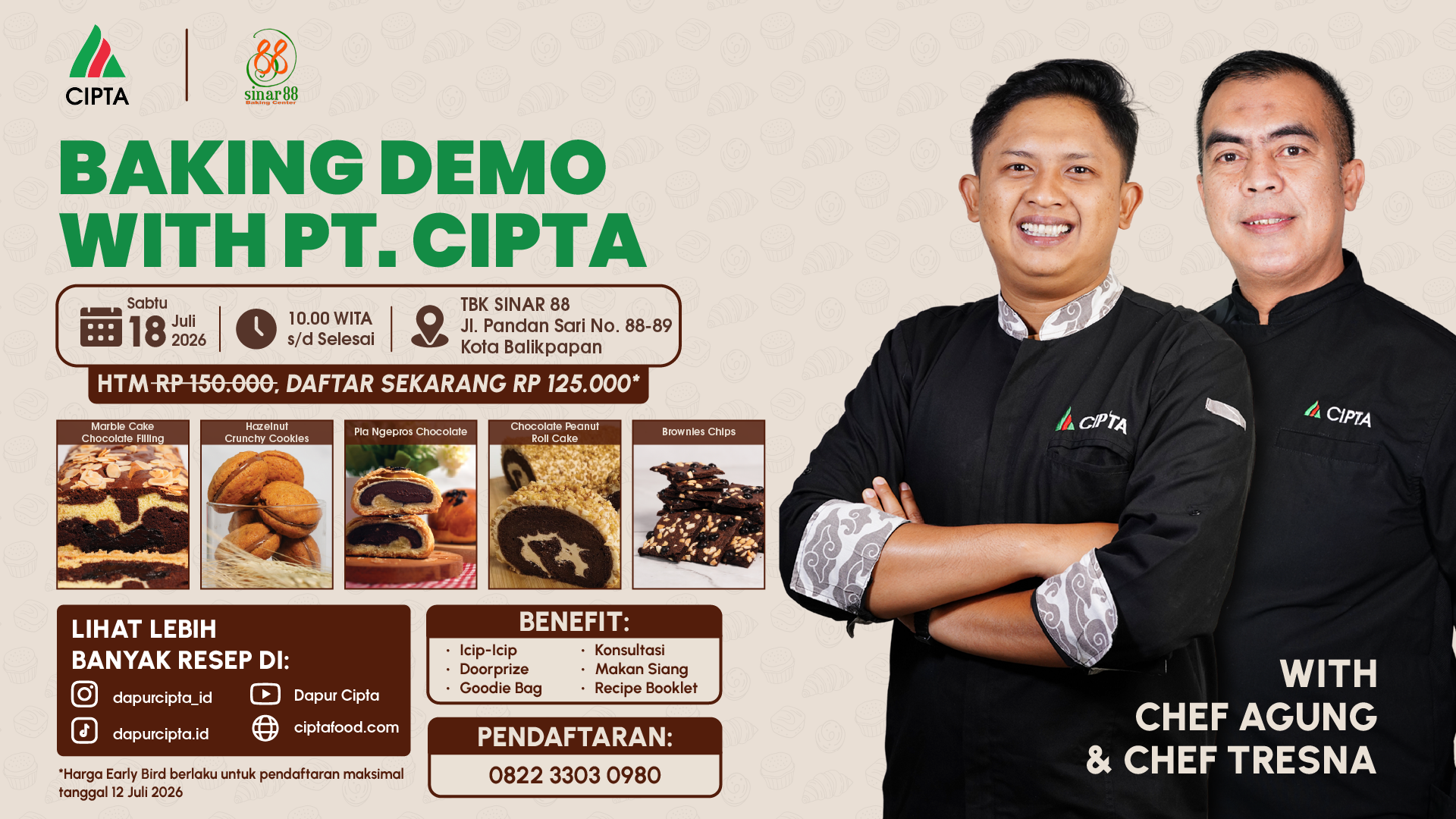
Baking Demo PT Cipta & TBK Sinar 88 Balikpapan (Sabtu, 18 Juli 2026)
Read More
19 Jun
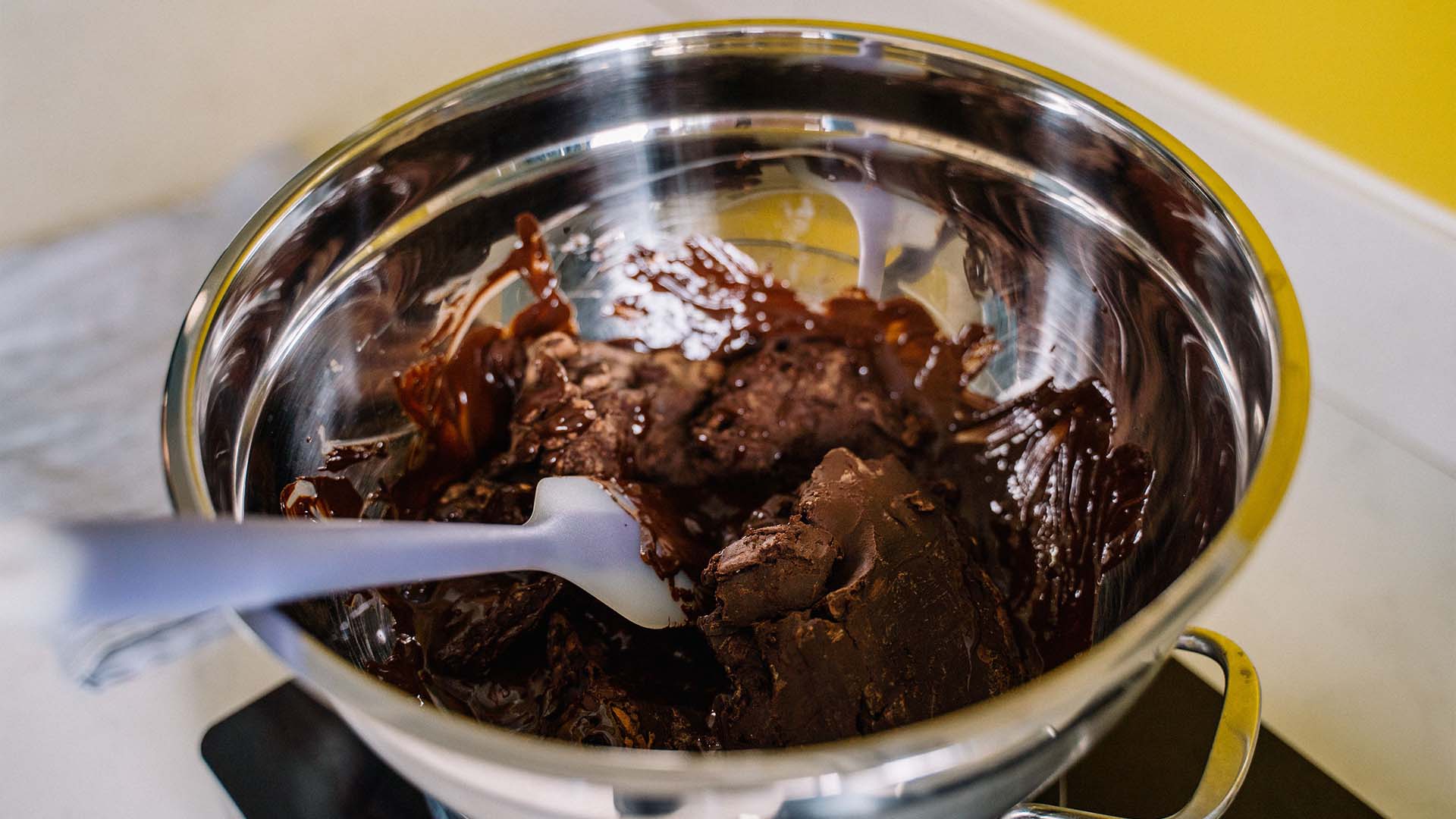
Why Does Compound Chocolate Seize? Causes, Solutions, and Prevention Tips
Read More
26 Jun
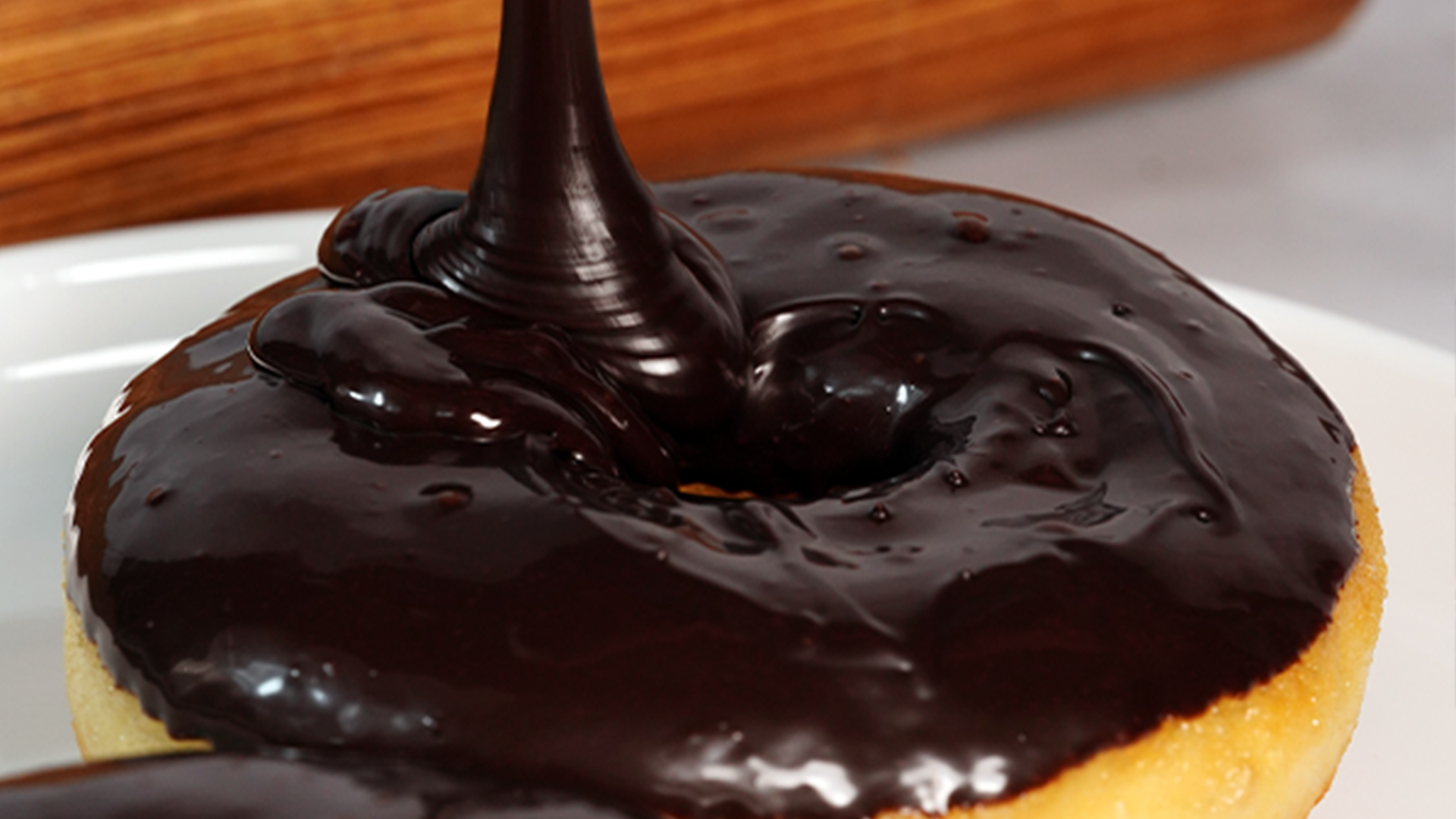
How to Coat Donuts for a Glossy, Crack-Free Finish (The Secret to Premium-Looking Donuts for Your Business)
Read More

03 Jul
KRISTA InterFOOD 2026: Schedule, Venue, and Complete Guide for F&B Businesses
Read More
10 Jul
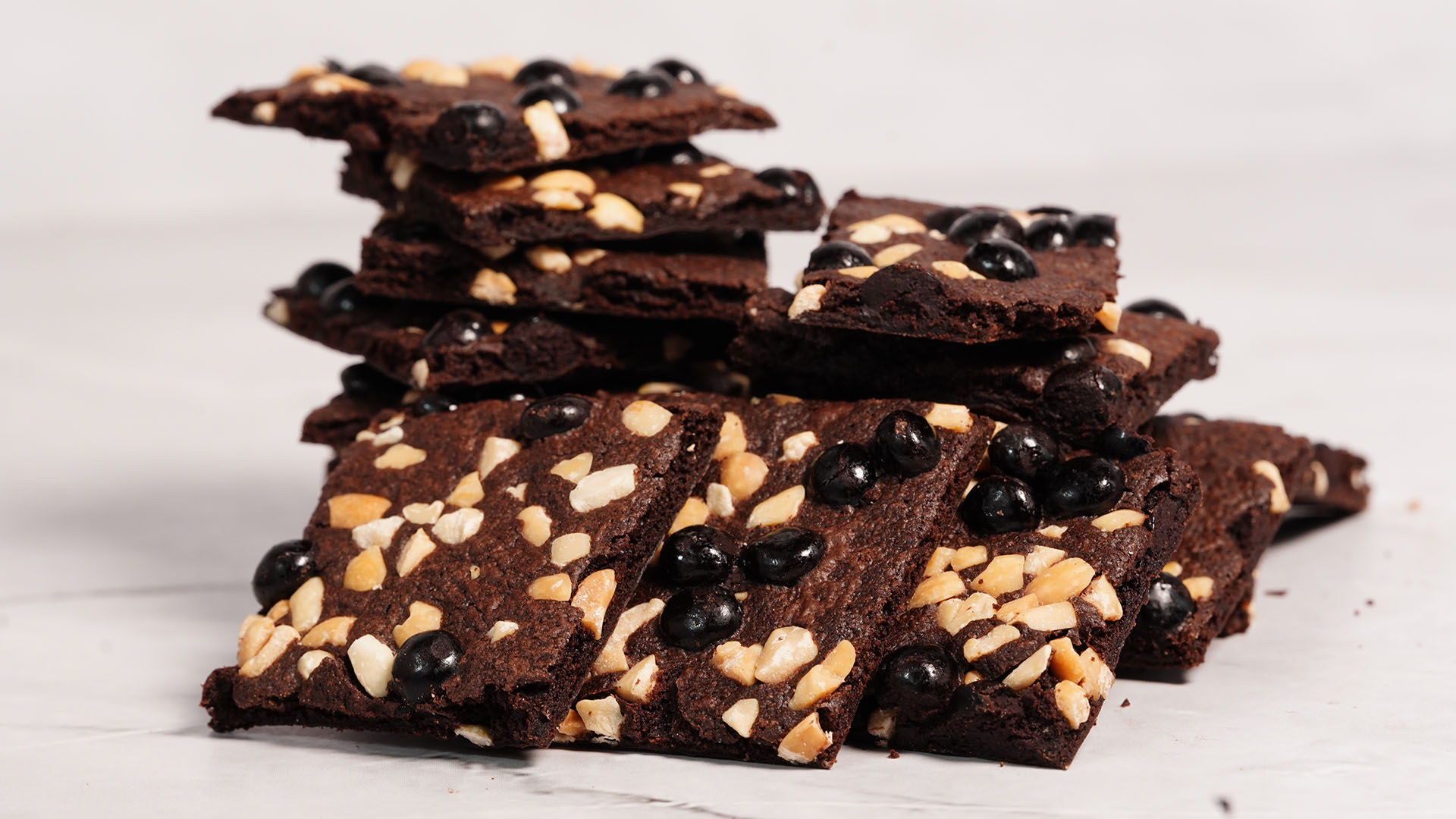
Sweet School Lunch Ideas to Sell: Practical, Kid-Friendly, and Profitable for Small Businesses
Read More

17 Jul
Nova Arrives: PT Cipta Officially Launches Its New Mascot for Indonesia's Baking Community
Read More
24 Jul
10 Bakery Trends Predicted to Dominate KRISTA InterFOOD 2026
Read More
31 Jul
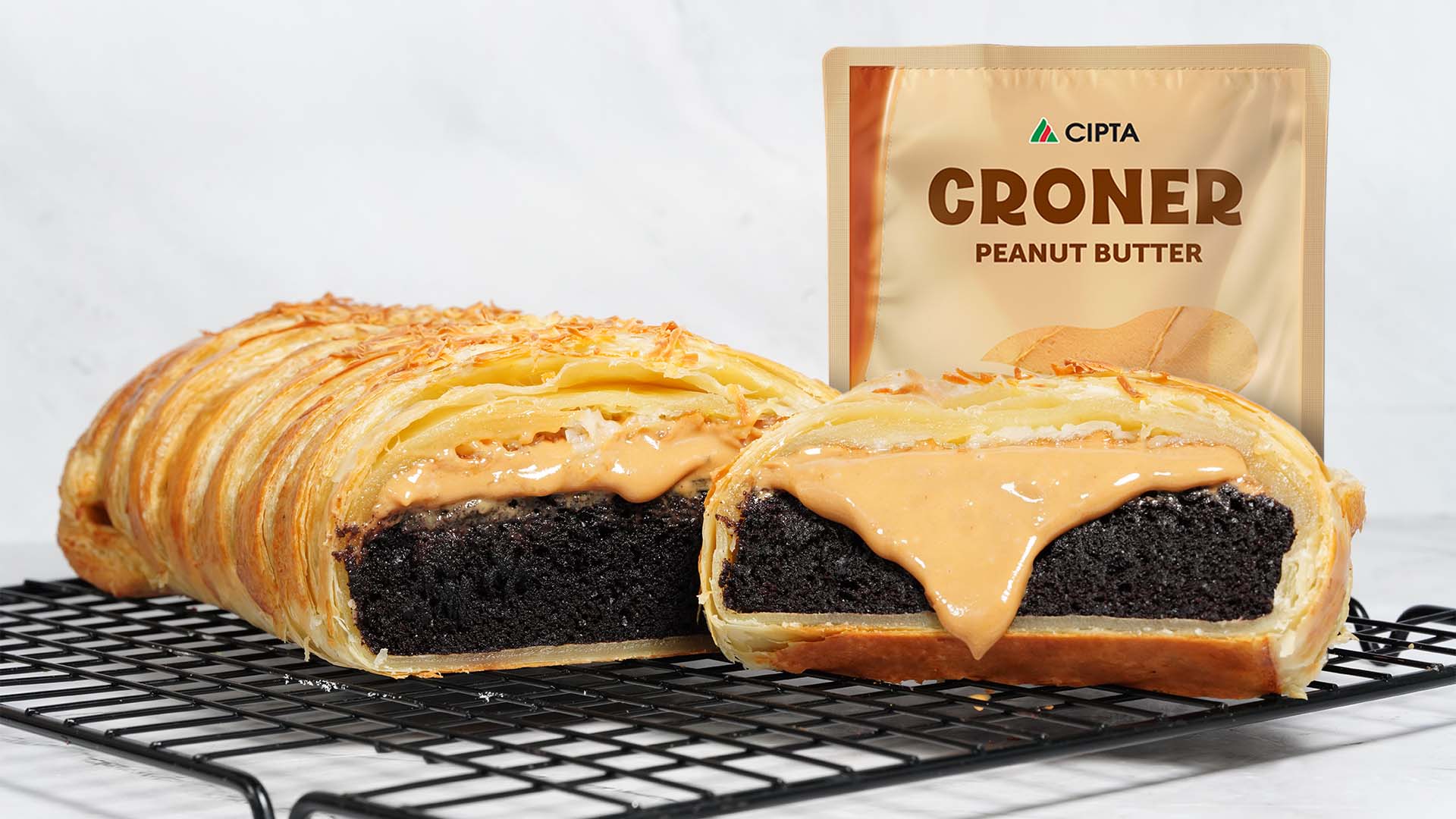
How to Choose Heat-Resistant Bread Filling That Won't Leak During Baking
Read More
07 Aug
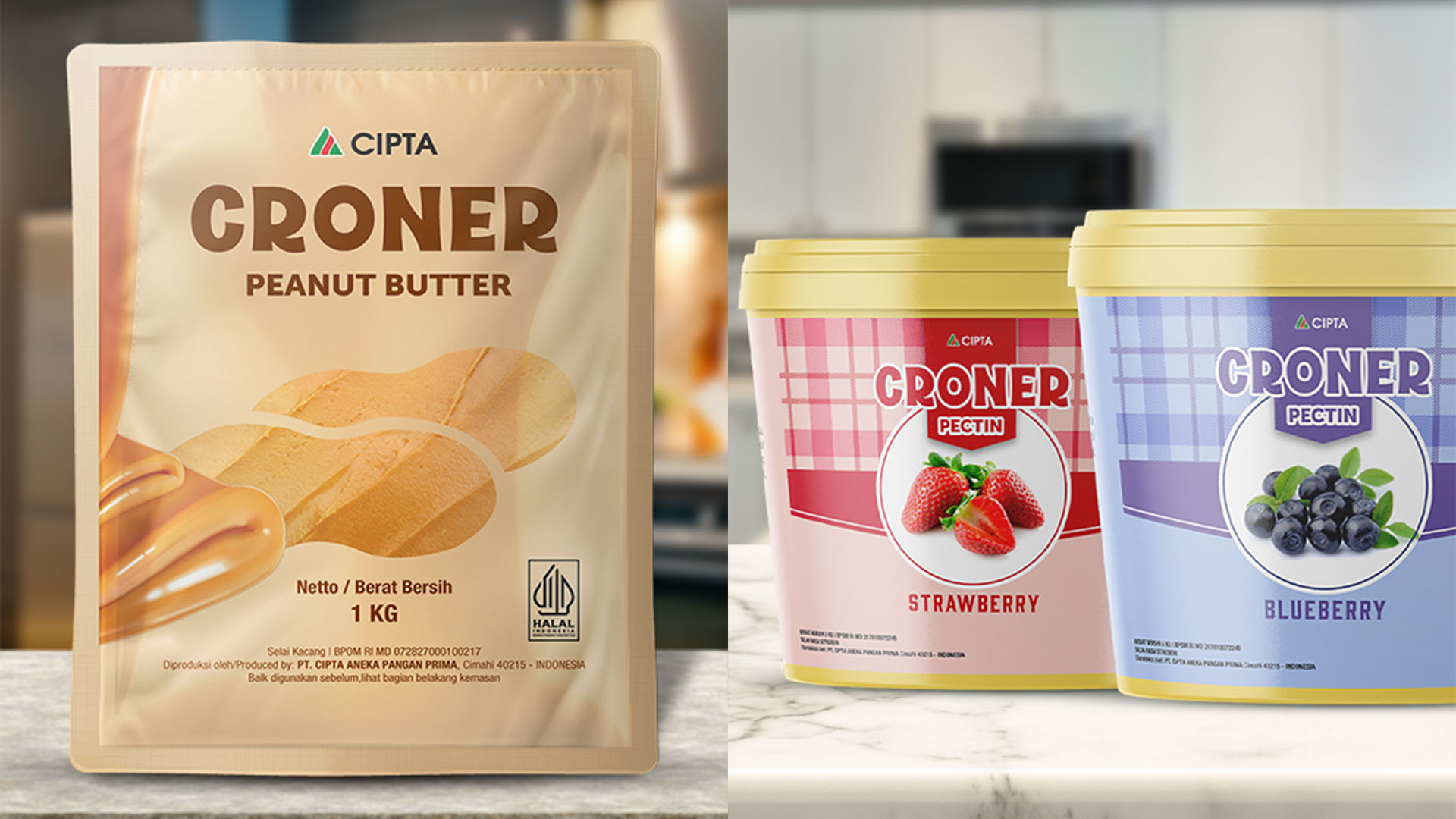
Peanut Butter vs. Fruit Jam: Which Is More Profitable for Your Bakery Business?
Read More
14 Aug
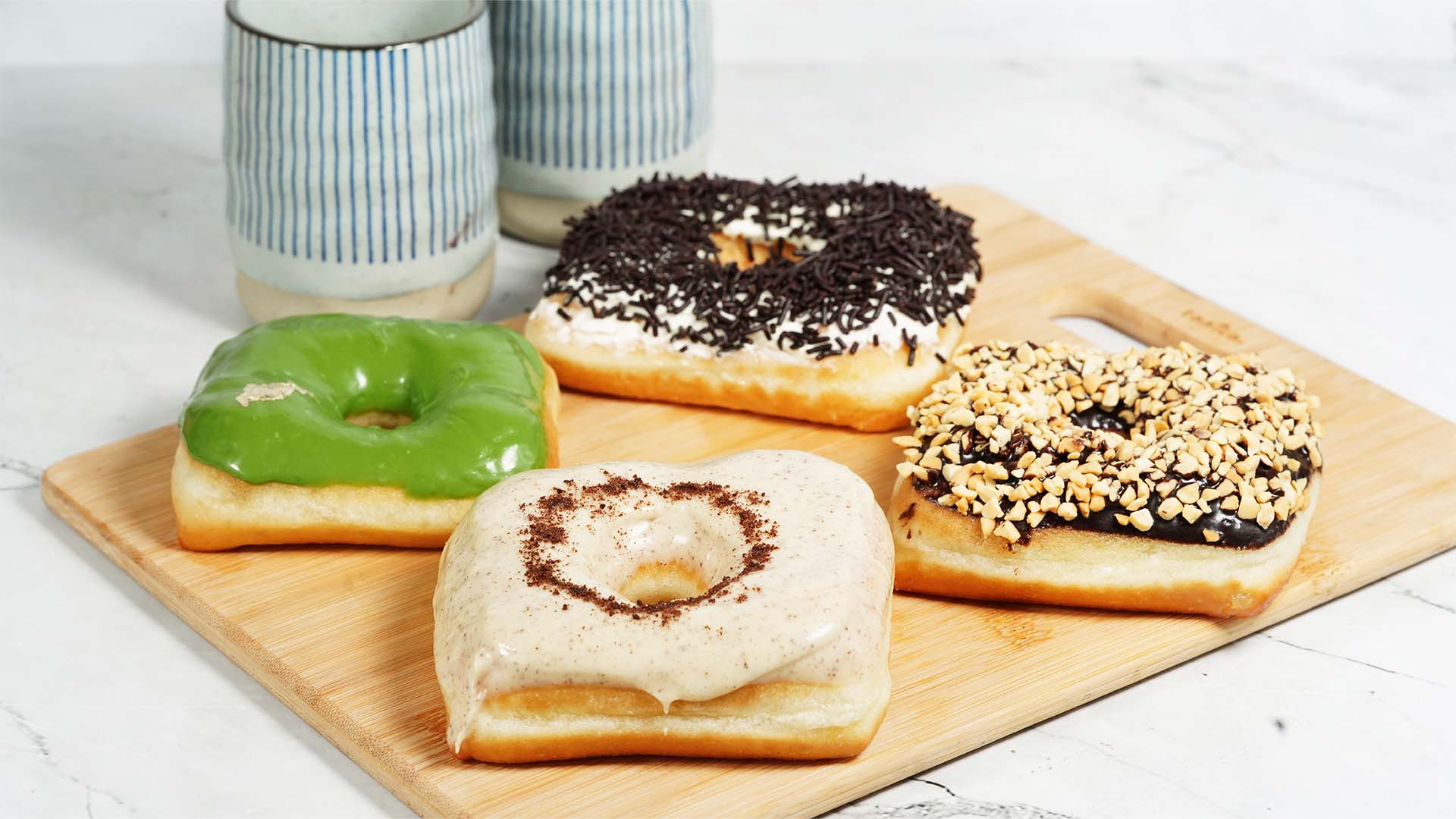
Modern Filled Donut Business Opportunity: Startup Costs, COGS, and Profit Margin
Read More
14 Aug
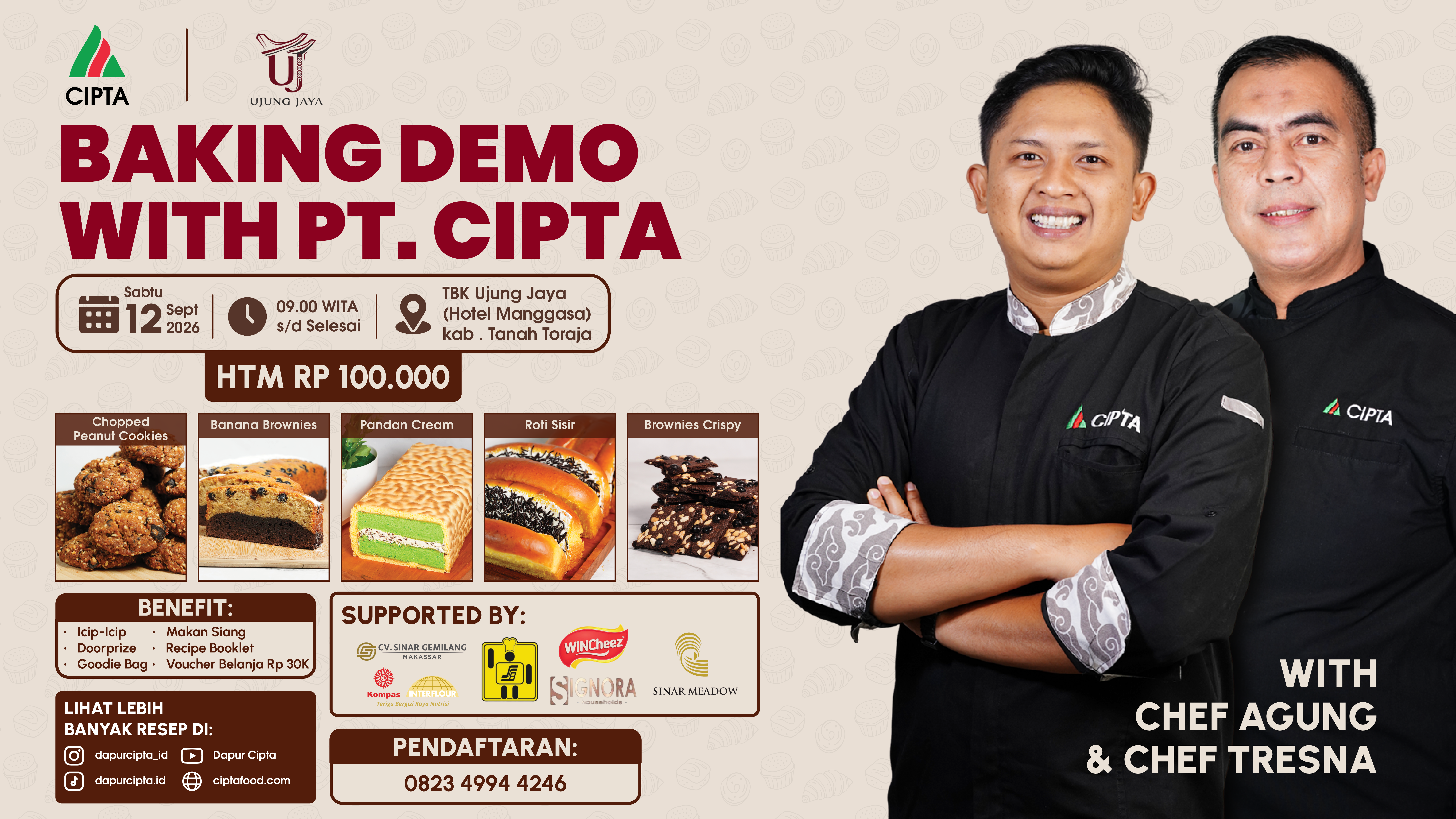
Baking Demo PT Cipta & TBK Ujung Jaya (Sabtu, 12 September 2026)
Read More
14 Aug
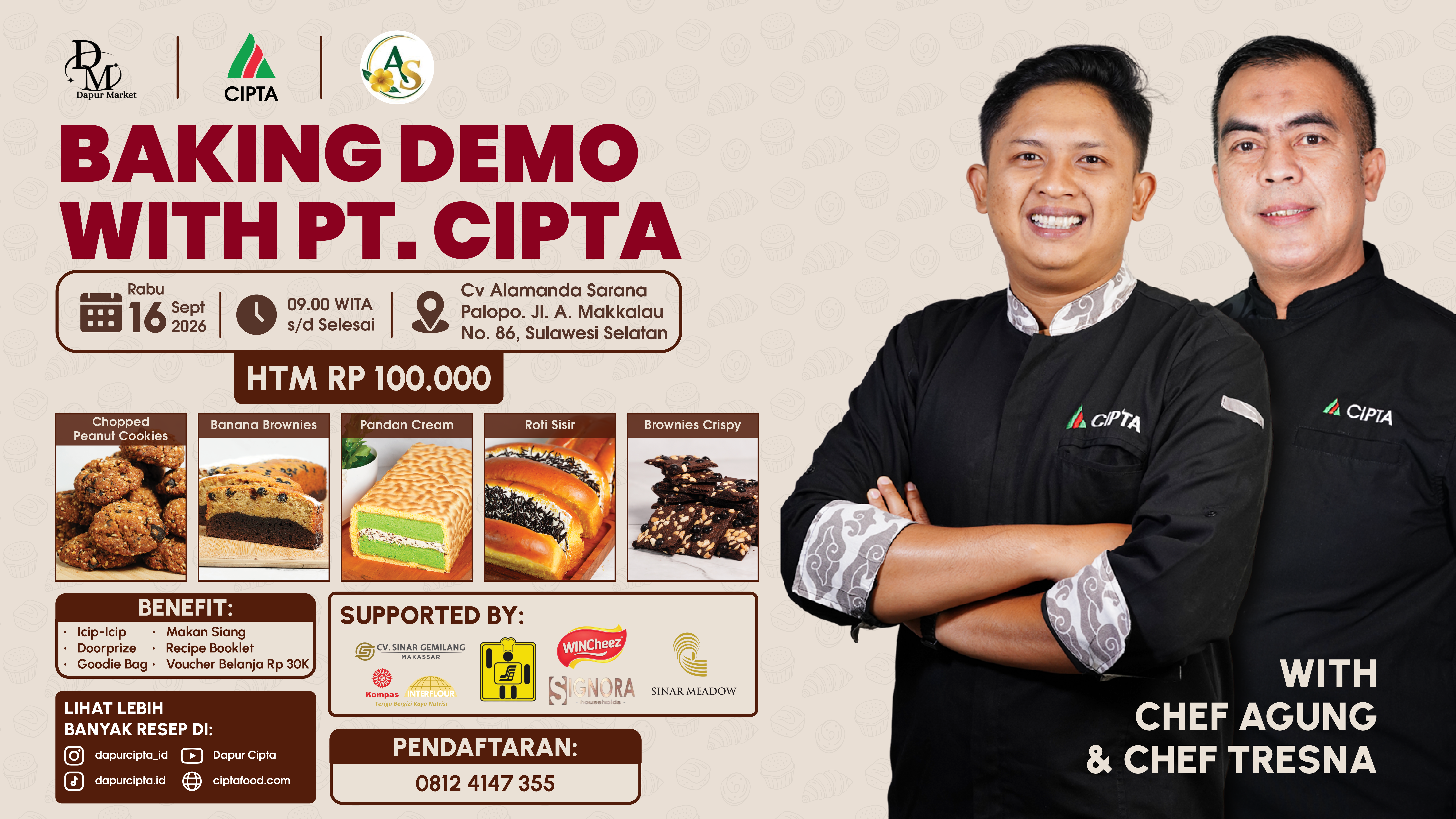
Baking Demo PT. Cipta & CV Alamanda Sarana (Rabu, 16 September 2026)
Read More
14 Aug
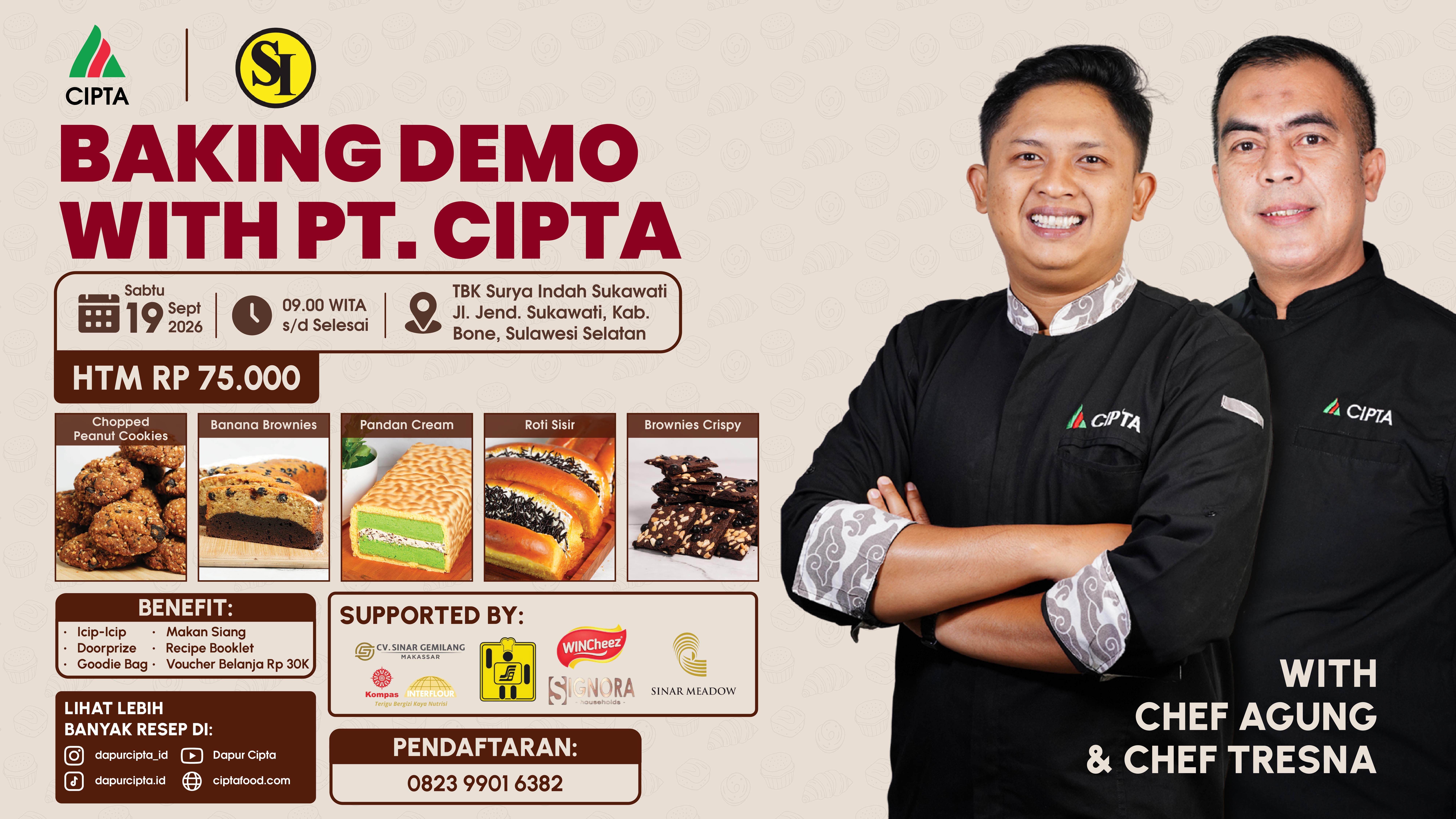
Baking Demo PT. Cipta & TBK Surya Indah Sukawati (Sabtu, 19 September 2026)
Read More
21 Aug
Modern Bread Filling Ideas: 12 Favorite Fillings Consumers Love
Read More
28 Aug
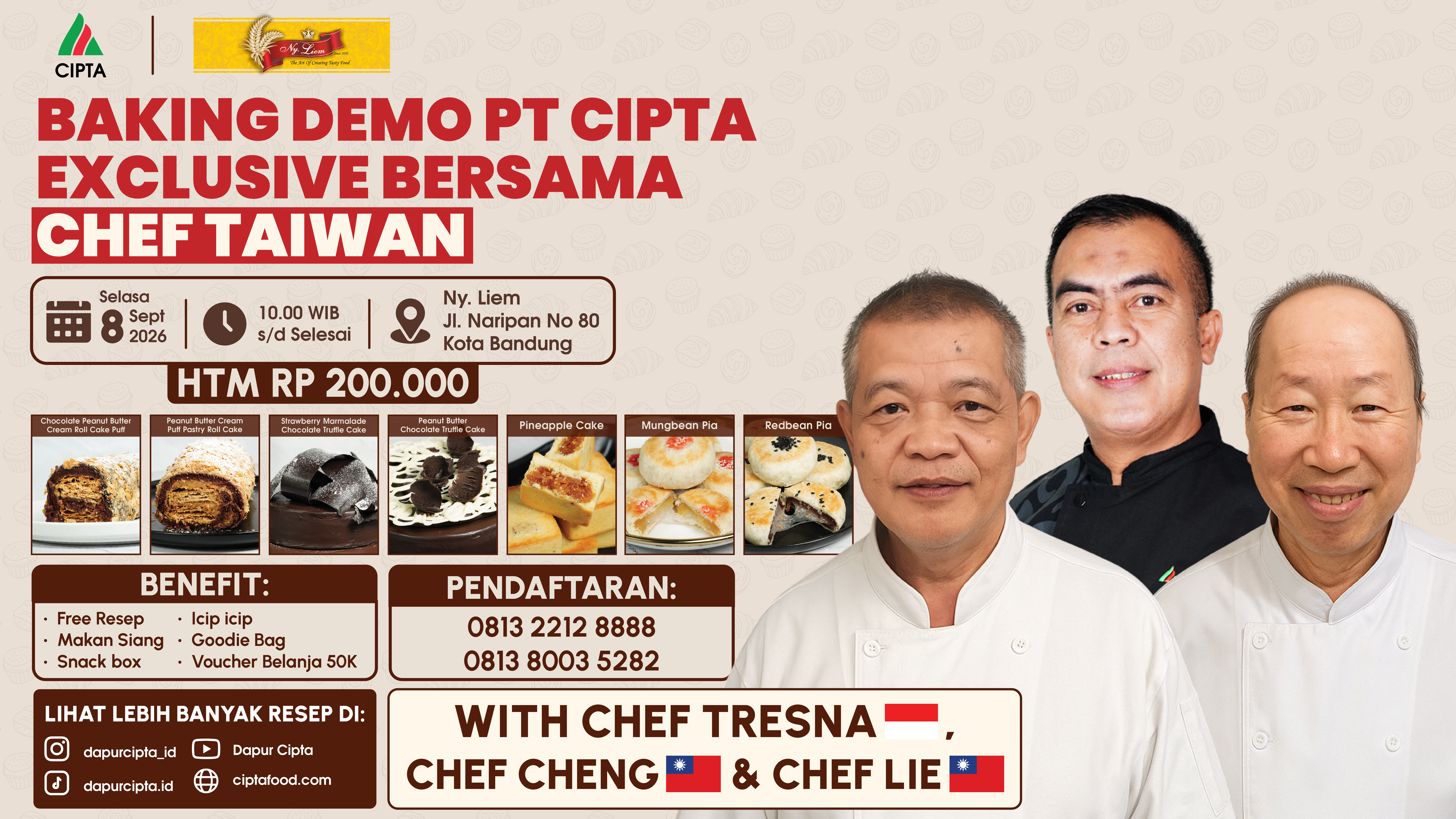
Baking Demo PT Cipta & TBK Ny. Liem (Selasa, 8 September 2026)
Read More
04 Sep
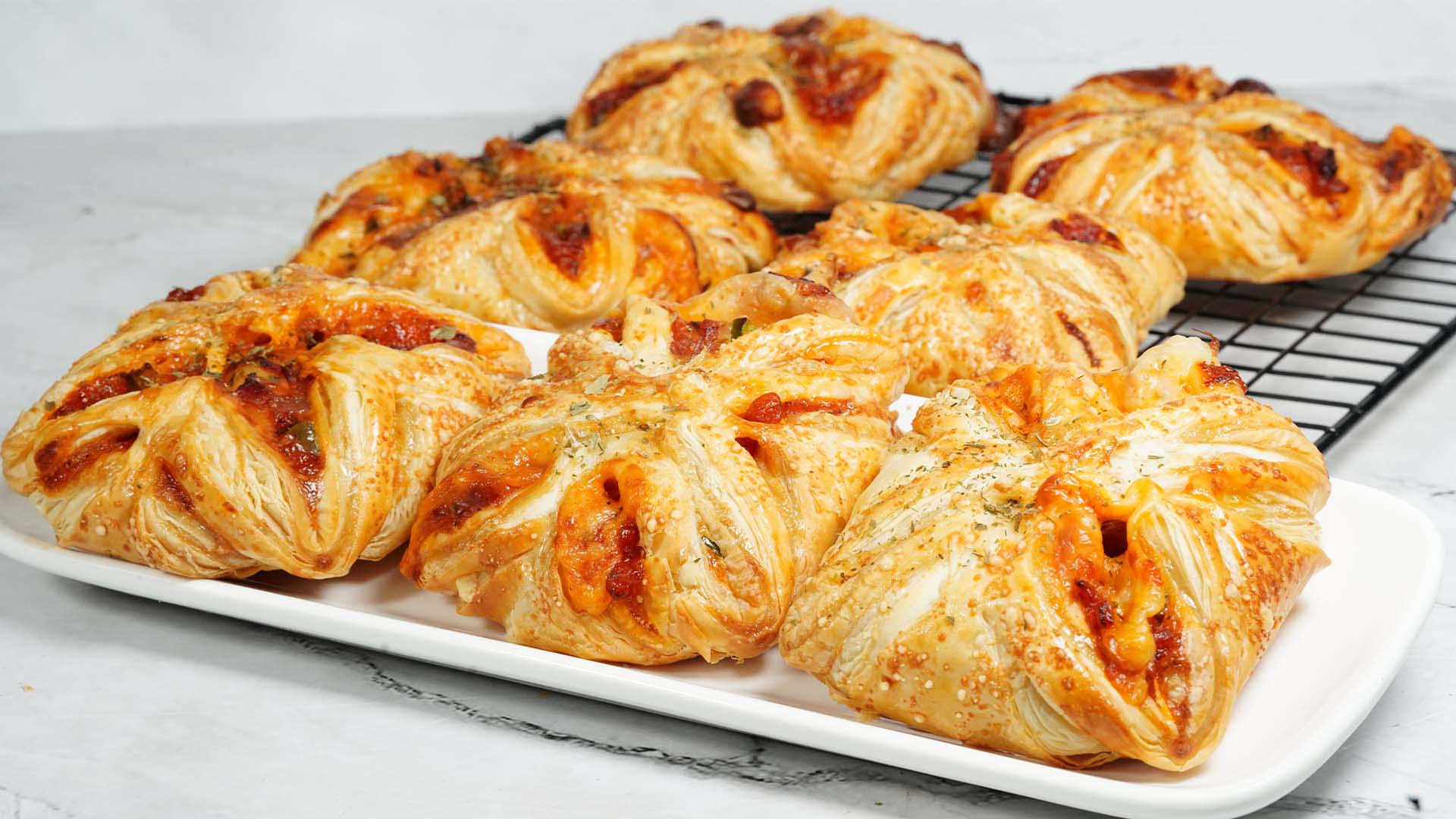
Is Frozen Bakery Still a Business Opportunity? Trends and Strategies for 2026
Read More

11 Sep
Preparing for KRISTA InterFOOD 2026: A Complete Guide for Bakery Owners and SMEs
Read More
18 Sep
PT Cipta at KRISTA InterFOOD 2026: Your Complete Bakery Ingredient Solution
Read More
25 Sep
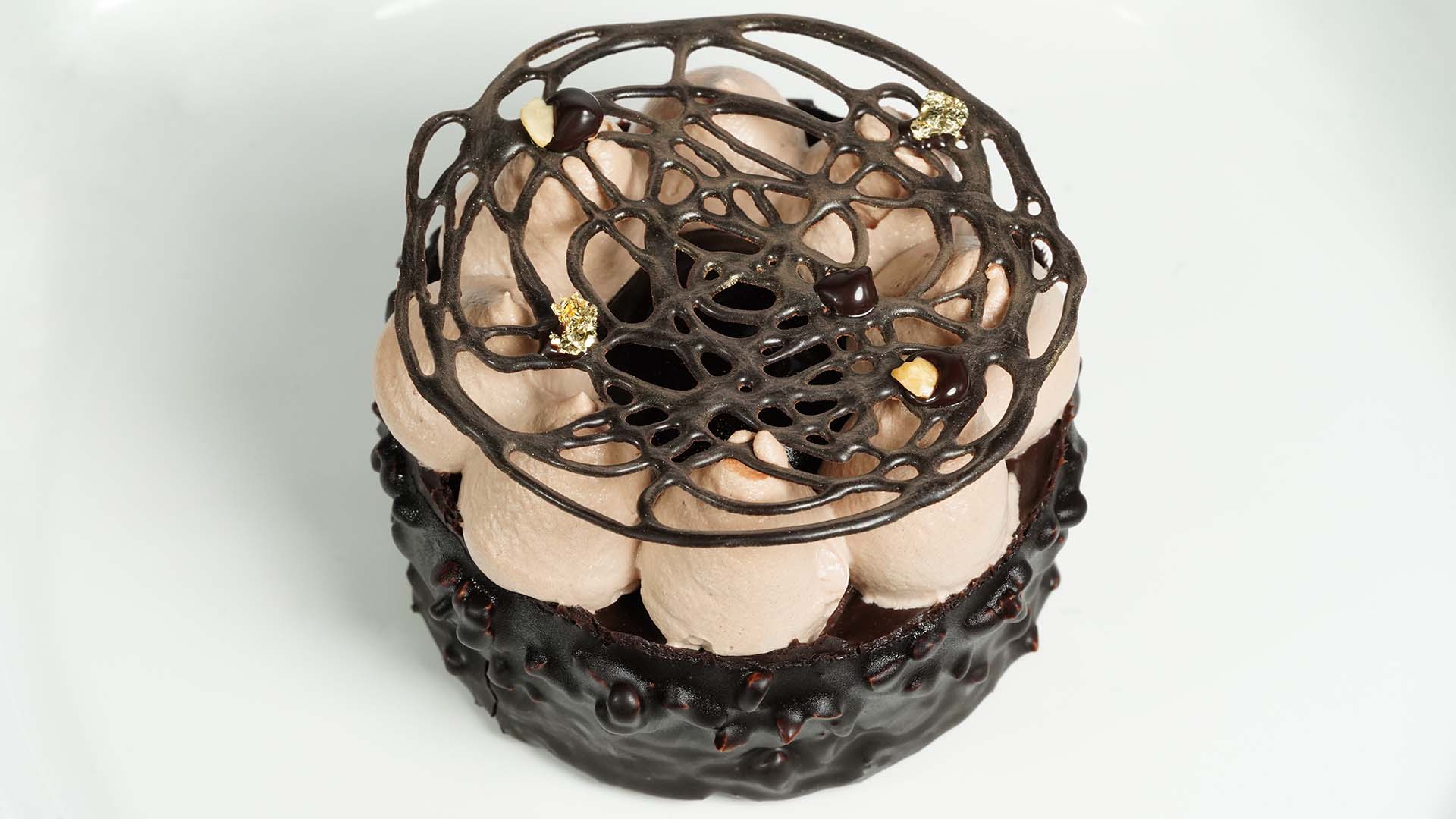
7 Bakery Chocolate Innovations That Will Trend in Indonesia in 2027
Read More
02 Oct
KRISTA InterFOOD vs SIAL InterFOOD 2026: What Has Changed and Which One Should You Attend?
Read More
09 Oct
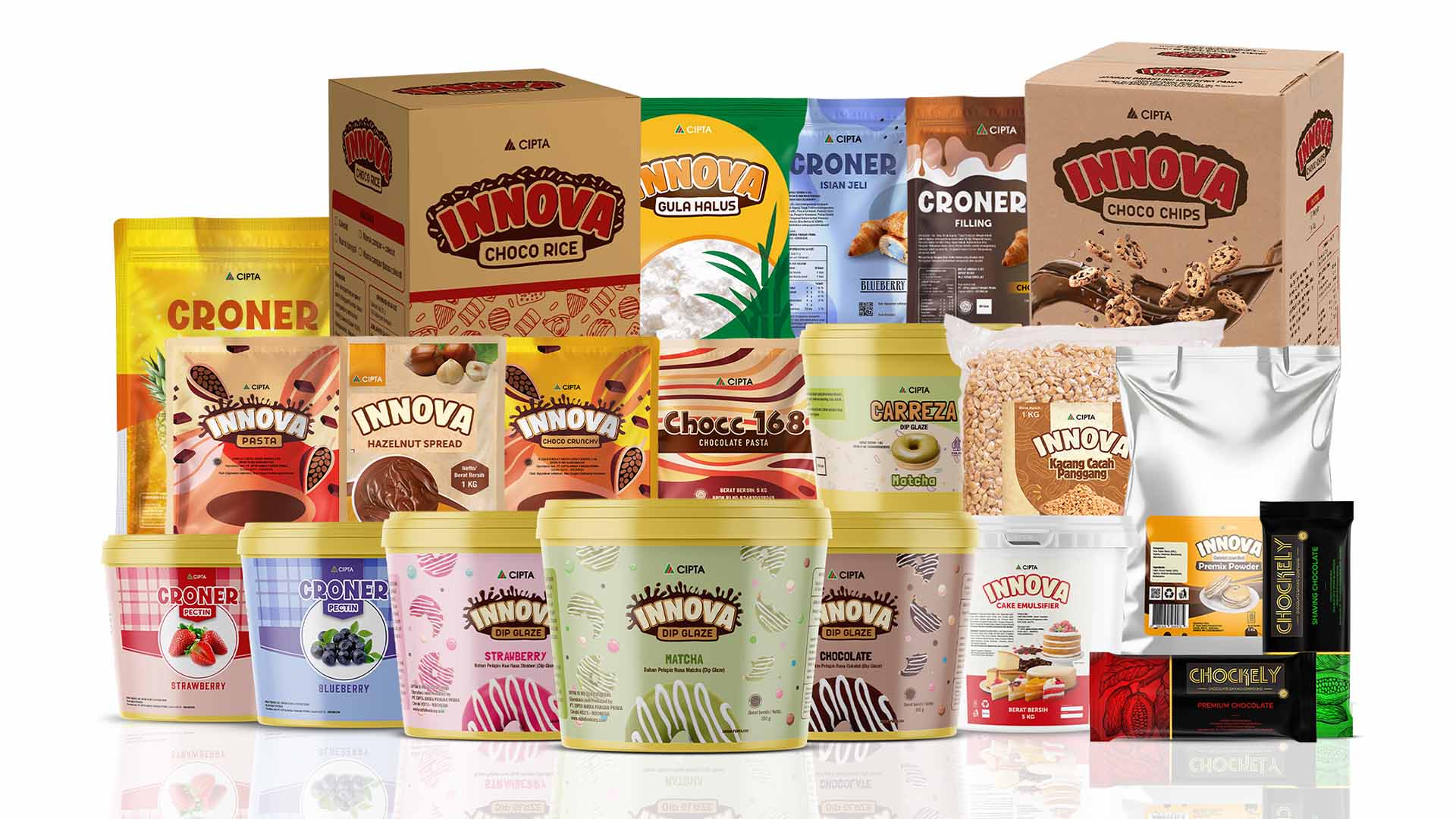
Must-Try Bakery Products at KRISTA InterFOOD 2026 – A Complete Buyer’s Guide
Read More
16 Oct
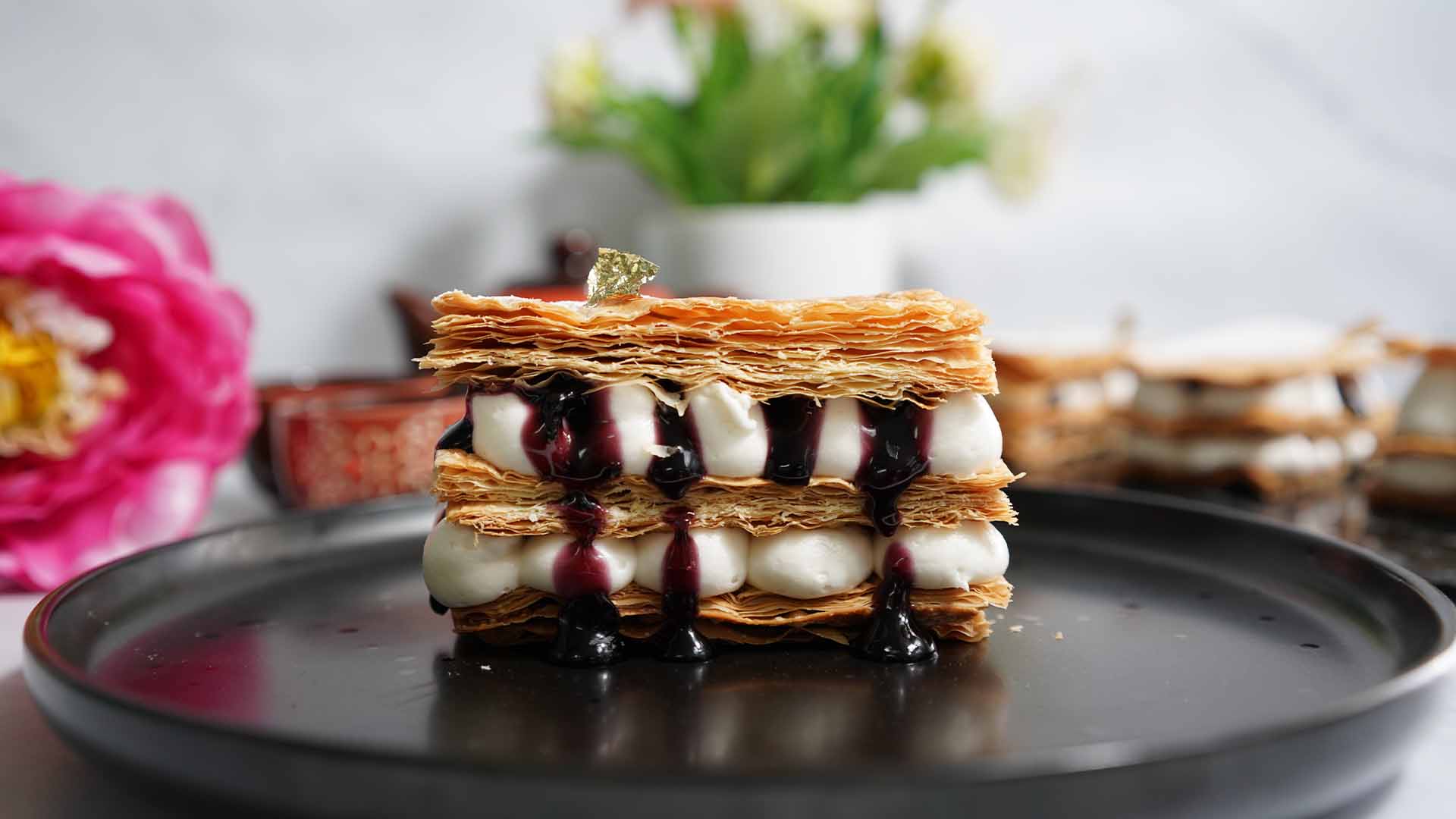
10 High-Margin Bakery Menu Ideas for Cafes, Restaurants, and SMEs
Read More